L. Frank Baum's 1900 fantasy novel became MGM's lavish 1939 Technicolor spectacle, and the two versions diverge in ways that still spark debate among fans of Oz.
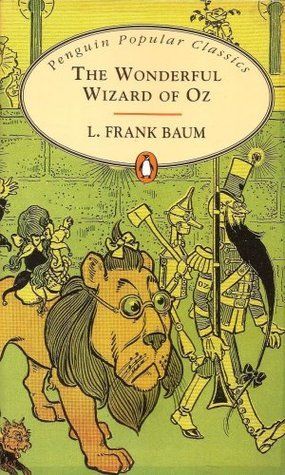
The Book
The Wonderful Wizard of Oz
by L. Frank Baum
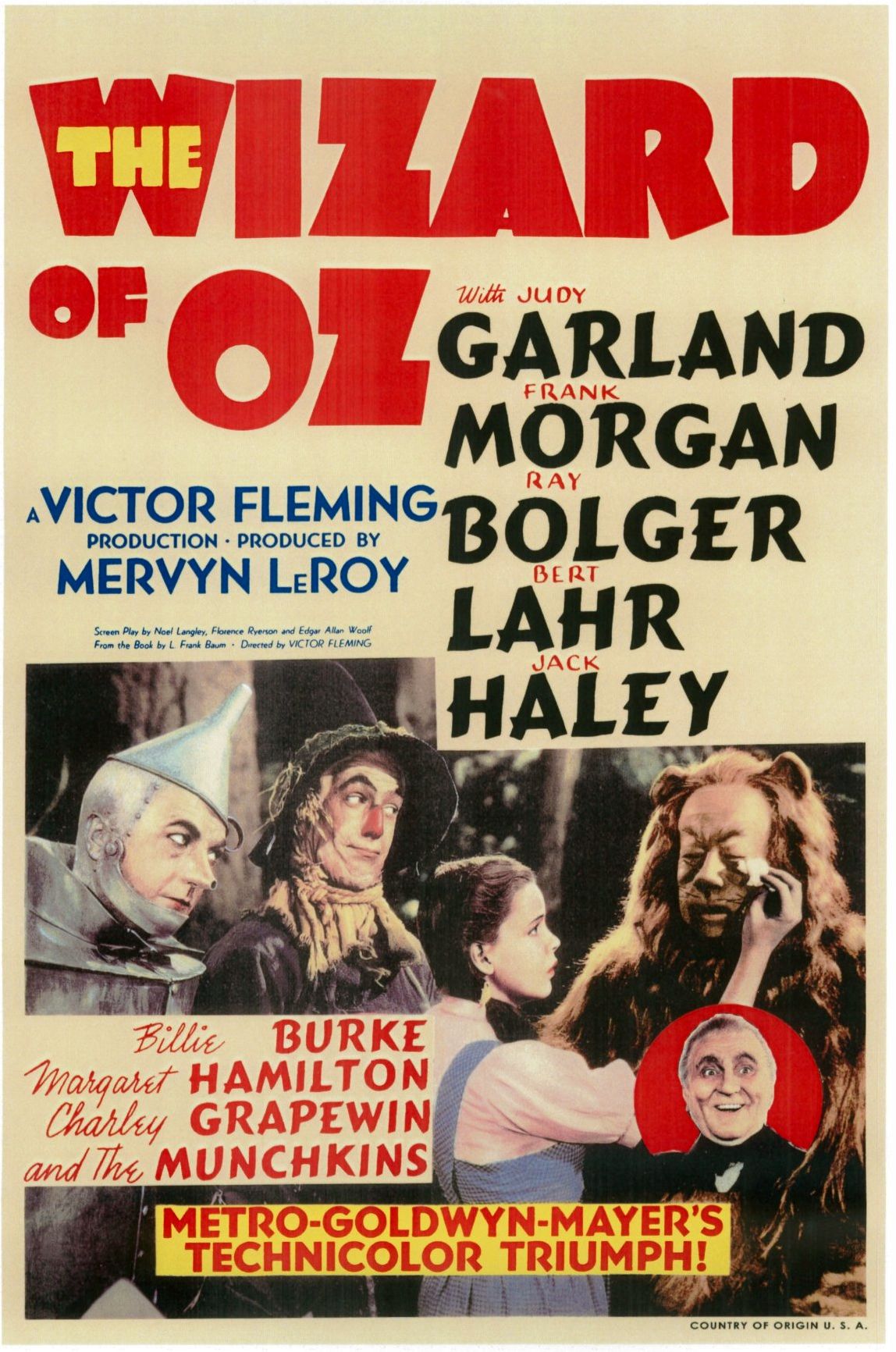
The Film
The Wizard of Oz
Directed by Victor Fleming, 1939
🔀 What Changed
In Baum's novel, Dorothy's slippers are silver, not ruby; MGM changed the color to showcase new Technicolor technology. The film adds the Kansas-set bookend sequence implying Oz was a dream, a framing device absent from the novel, where Oz is real. The book includes additional adventures, such as the Hammer-Heads and the Dainty China Country, that were cut entirely for pacing. The Wicked Witch of the West also has a smaller, less central role in the book, appearing only briefly compared to her expanded screen presence as the film's primary antagonist.
🎙️ What the Author Said
L. Frank Baum died in 1919, two decades before MGM's film was produced, so no direct reaction from him exists. Baum did, however, personally adapt his own book for earlier stage and silent film versions during his lifetime, showing he was open to reimagining the story for new mediums. There's no documented objection or endorsement from Baum regarding the specific 1939 adaptation, since he never saw it. This absence is simply a fact of timing rather than a gap in research.
“Toto, I've a feeling we're not in Kansas any more.”
Two versions of Oz, nearly a century apart in medium. The choice between them is yours to make.