Mario Puzo's pulpy bestseller became one of the most acclaimed films ever made, largely because Puzo himself helped write the screenplay. Here's how the page and the screen diverge, and what he actually said about the transformation.
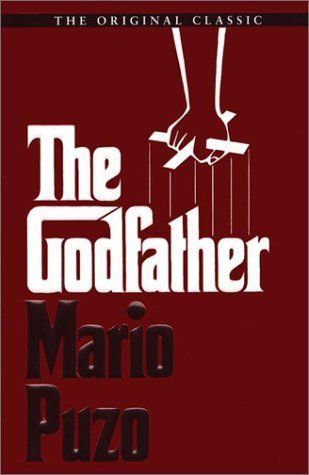
The Book
The Godfather
by Mario Puzo
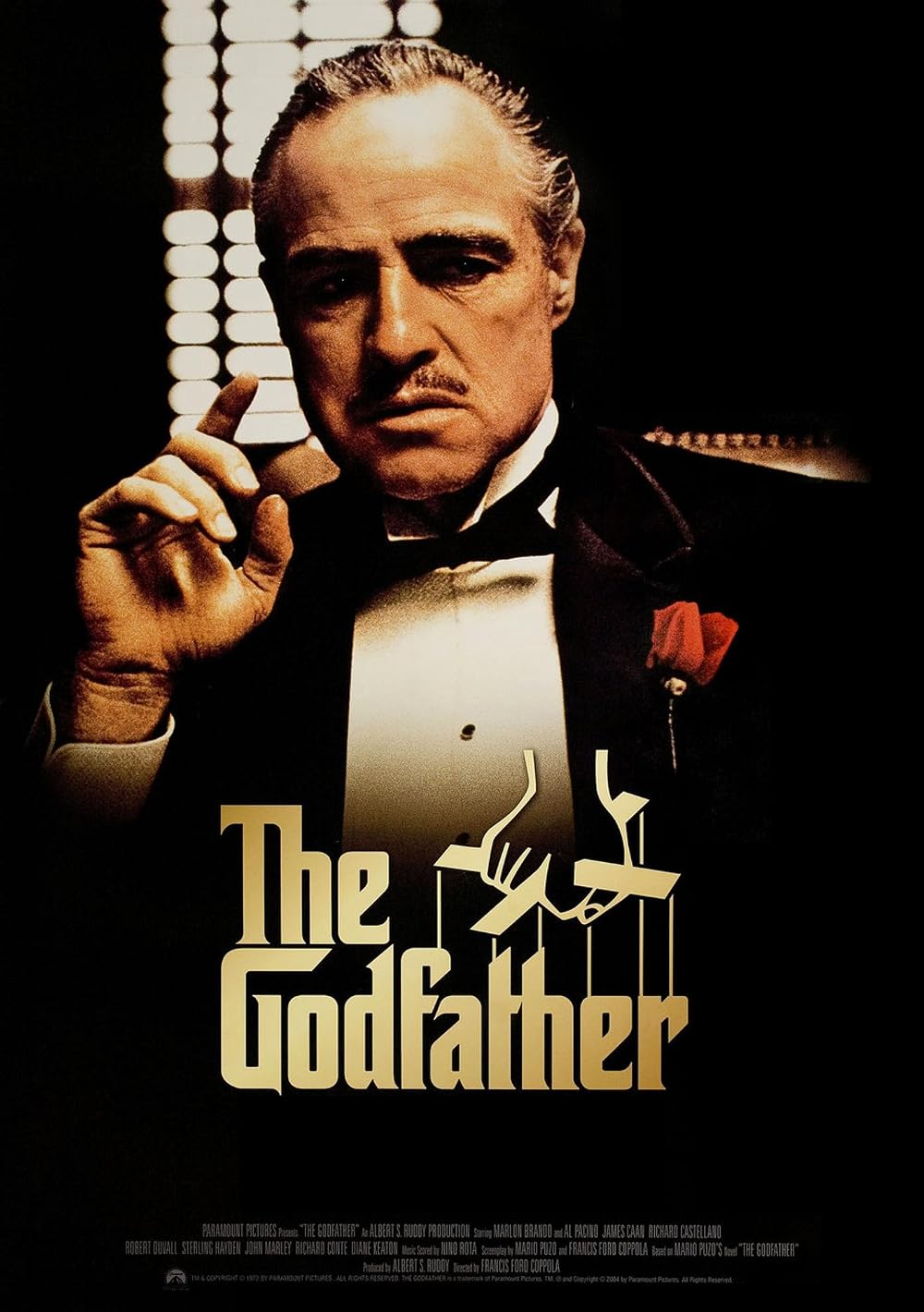
The Film
The Godfather
Directed by Francis Ford Coppola, 1972
🔀 What Changed
Spoiler warning: this section discusses plot changes, including the ending.
Puzo's novel spends considerable time on side characters like Lucy Mancini and Johnny Fontane's Hollywood arc, subplots the film largely trims to focus on the Corleone family core. The book also includes an extended flashback explaining Vito's rise to power in Sicily and New York, which the film mostly withholds until the sequel. Michael's transformation into the family's new head is compressed on screen, losing some of the novel's slower psychological build. The film also softens or removes some of the book's more lurid subplot material, tightening the story into a leaner family tragedy.
🎙️ What the Author Said
Puzo was closely involved in the adaptation, co-writing the screenplay with Coppola and sharing an Academy Award for it. In interviews and his own essay collection, he spoke positively about the collaboration, crediting Coppola with elevating the material and noting he was pleased with how the film turned out, a rare case of an author embracing rather than resisting the adaptation process.
“Puzo co-wrote the screenplay and won an Oscar for it.”
Puzo helped shape both versions, so the divide here is less adversarial than most. Still, only one can win your vote.