
Our Take
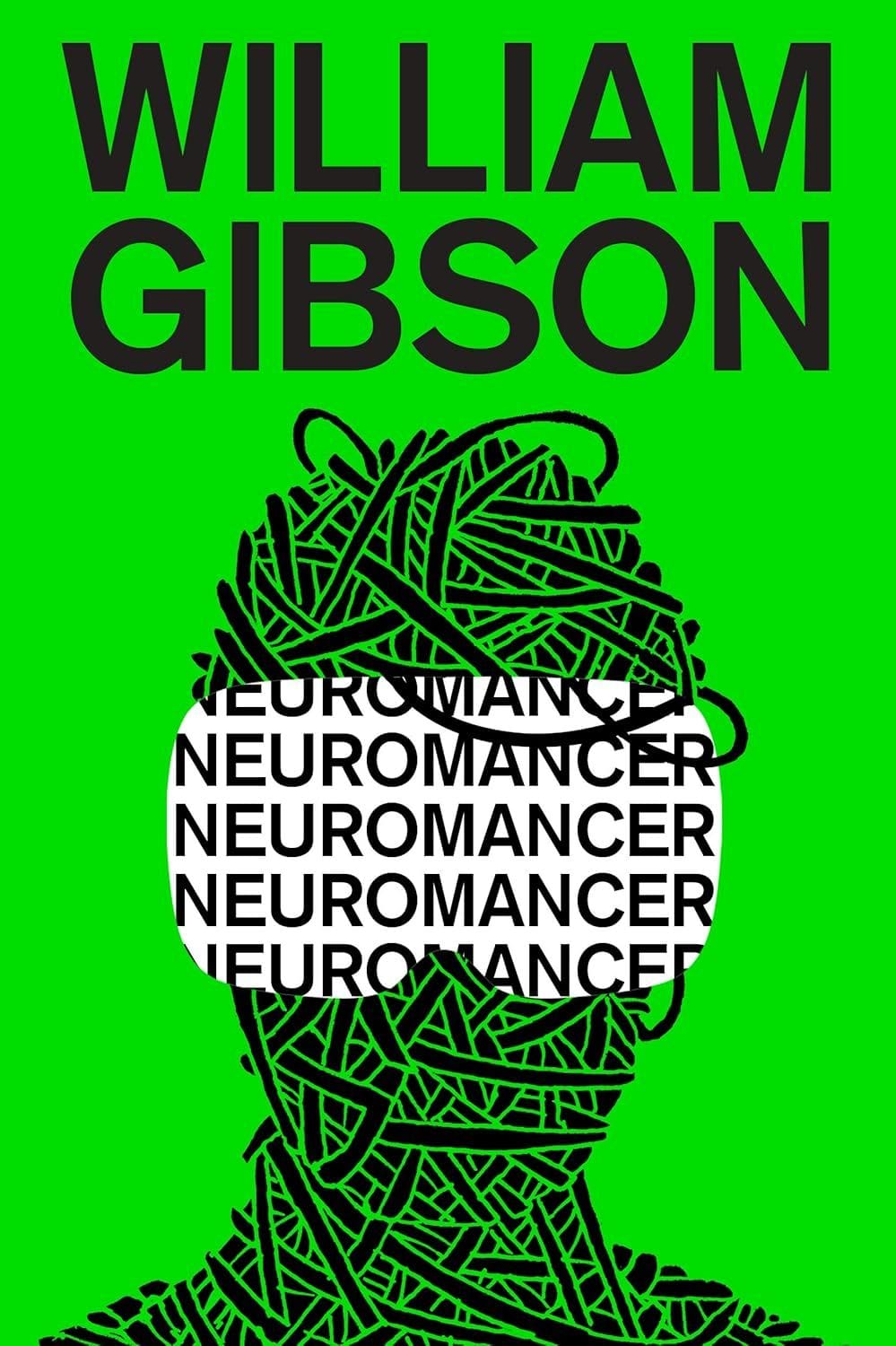
There are novels that define a genre and novels that invent one. Neuromancer did the latter. Gibson arrived in 1984 with a fully formed aesthetic, a new vocabulary, and a vision of technological capitalism so precise that it has spent four decades becoming more accurate rather than less. Cyberpunk as a movement flows entirely from this book — the neon and rain, the corporate arcologies, the console cowboys, the body modification, the AI as something vast and alien and not quite conscious in any way we'd recognize. What's striking on rereading is how literary it is. Gibson's prose is dense and oblique in the best way — it drops you into its world without a guidebook and trusts you to keep up. The plot is a heist wrapped in a conspiracy wrapped in something stranger, and it moves with the nervous energy of noir. Case is not a hero in any conventional sense, which is part of what makes the book feel modern in a way that more optimistic SF of the era doesn't. For readers coming to it fresh: don't expect hand-holding, do expect to be rewarded. For those returning: you'll find things you missed the first time. Essential alongside Philip K. Dick's Do Androids Dream of Electric Sheep? and Bruce Sterling's Schismatrix for anyone serious about science fiction's history — and its future.