Our Take
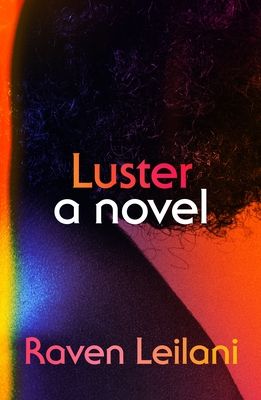
Raven Leilani's debut earned comparisons to Zadie Smith and Candice Carty-Williams for good reason: Luster writes about race, class, and sex with an unflinching specificity that rarely slips into either judgment or sentimentality. What makes the novel work isn't the premise itself — a young woman entangled with a married man and unexpectedly folded into his family — it's Edie's voice, which is funny in a way that catches you off guard and devastating in the very next sentence. Leilani resists making Edie sympathetic in any easy way; she's messy, self-sabotaging, and often her own worst enemy, which is exactly what makes her feel real rather than constructed. The dynamic between Edie and Eric's wife, and especially Edie's evolving relationship with Eric's adopted daughter Akila, gives the novel an emotional center that keeps it from reading as pure provocation. Named a Best Book of the Year by outlets ranging from NPR to The New York Times Book Review, Luster remains one of the most acclaimed literary debuts of its decade. Readers who want fiction that's funny, uncomfortable, and unwilling to look away from hard truths about race and desire will find this an essential read.