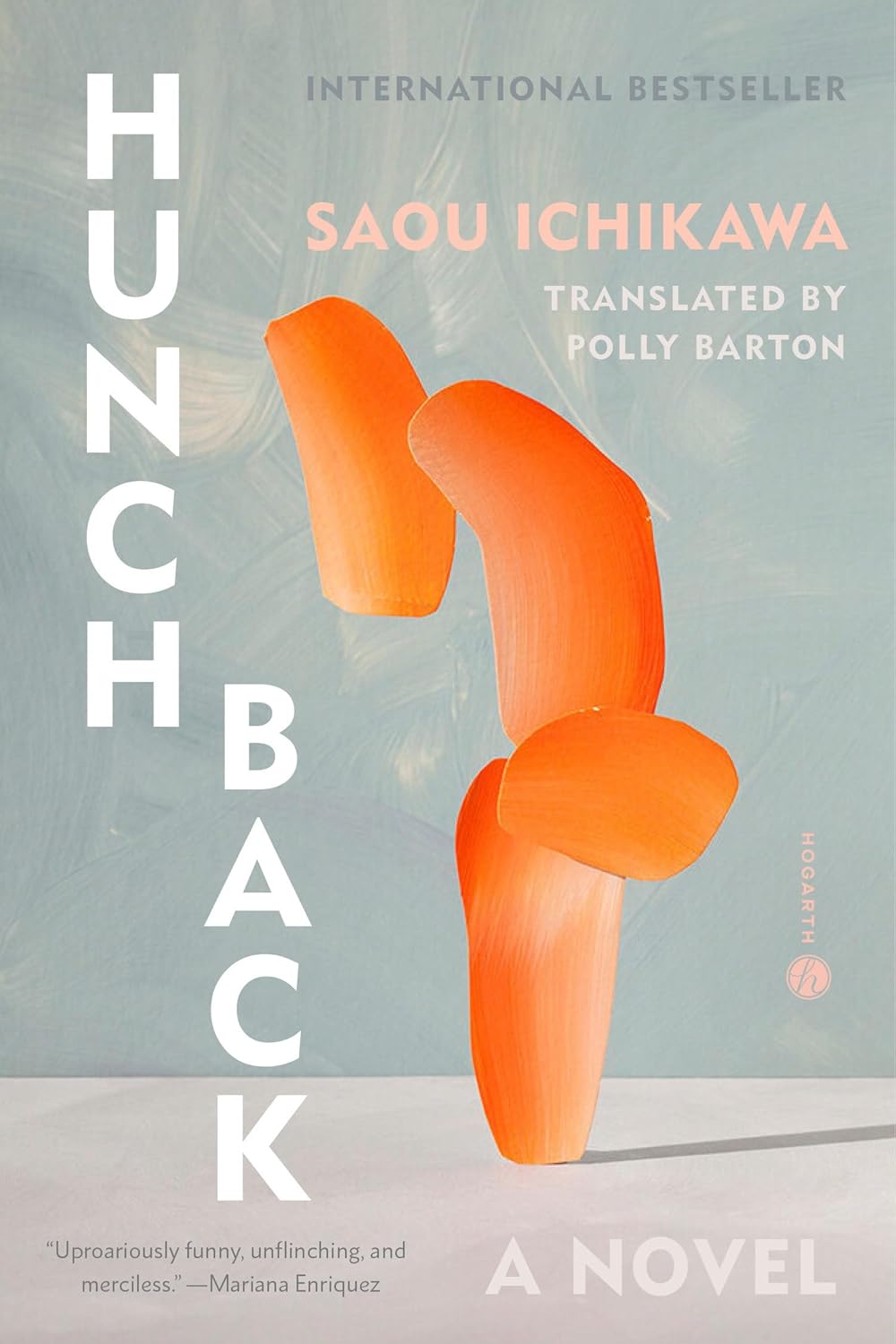
Our Take
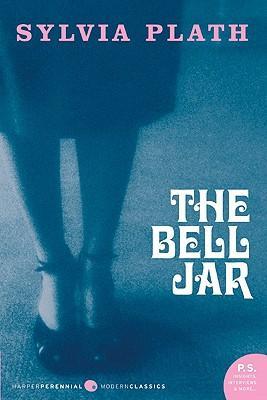
Hunchback arrived with real weight behind it: it won Japan's prestigious Akutagawa Prize, and Ichikawa became the first author with a severe physical disability to receive the honor, a fact that shapes the book's blistering authenticity. This is not a redemption story or an inspiration narrative. It's confrontational, horny, funny, and often uncomfortable by design, refusing the sanitized disability narratives readers may expect. The prose is compact but dense, translated with precision by Polly Barton, and Ichikawa uses Shaka's interiority to expose the casual cruelty of a world designed for able bodied convenience, from inaccessible bookstores to the presumption that disabled people don't have sexual desires. Comparisons have been made to the unflinching body horror and social critique of Convenience Store Woman by Sayaka Murata, and readers of Ottessa Moshfegh's My Year of Rest and Relaxation will recognize the same commitment to an abrasive, unlikeable narrator who refuses to perform likability for anyone. At just over a hundred pages, this is a book you can finish in an afternoon, but its images and arguments linger far longer. It's best suited for readers who want literary fiction that pushes rather than soothes, and who are ready to sit with a narrator who demands to be seen exactly as she is, not as anyone wants her to be.