Emma Donoghue's Room reached the screen with its own author writing the script. See how a novel told entirely in a five-year-old's voice became a film.
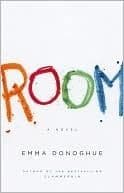
The Book
Room
by Emma Donoghue
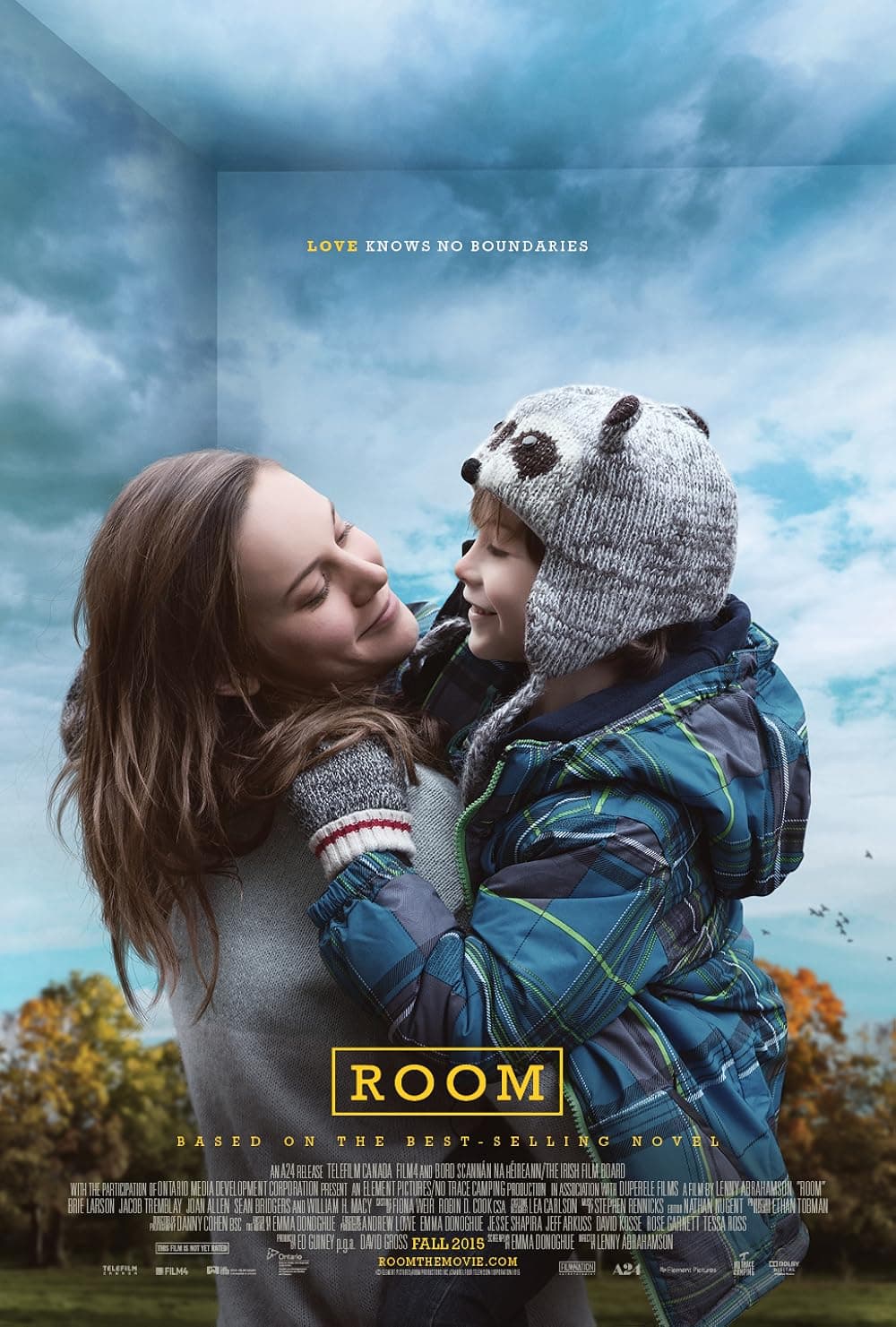
The Film
Room
Directed by Lenny Abrahamson, 2015
🔀 What Changed
Spoiler warning: this section discusses plot changes, including the ending.
The biggest shift is perspective. The novel is narrated start to finish in Jack's first-person voice, so every detail of Room is filtered through a child's logic. The film cannot sustain that on screen, so it uses Jack's voiceover only in places and often lets the camera show what he sees. The film also gives more visual attention to Ma's experience, which the book reveals only through what Jack notices. The aftermath after the escape is also condensed. The novel spends more time on Jack's adjustment to the outside world, while the film moves through that stretch more quickly.
🎙️ What the Author Said
Donoghue wrote the screenplay herself, working with director Lenny Abrahamson, and received an Academy Award nomination for Best Adapted Screenplay for it. She has spoken in interviews about the challenge of translating Jack's narration into images. Because she adapted her own novel, the film's changes reflect her own choices as the author.
“I was the first to say it was unfilmable.”
Same story, two ways in: Jack's voice on the page, or the camera's view on screen. Which one gets your vote?