Our Take
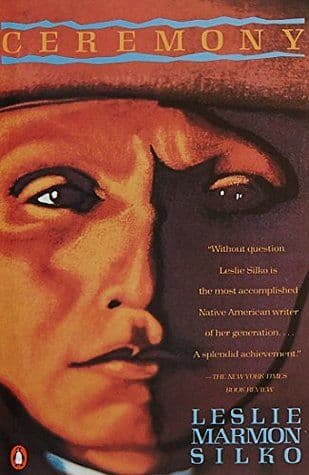
Ceremony earns its place as a landmark of American fiction because it refuses to separate story from healing. Silko doesn't treat Tayo's trauma as a problem to be solved in a straight line. She lets it unfold through memory, landscape, and the rhythms of oral storytelling, with prose that shifts between narrative and verse. That choice makes the book feel less like a conventional novel and more like an act of telling that readers are invited to join. It sits comfortably beside House Made of Dawn by N. Scott Momaday, another story of a Native veteran trying to find his way home, and it shares a deep sense of place with Louise Erdrich's The Round House. Readers who loved the layered voices in Tommy Orange's There There will recognize a similar commitment to Native perspectives, though Silko's approach is more mythic and more patient. The themes here are weighty: the aftermath of war, belonging, the damage of exclusion, and the stubborn power of land and community. The structure can ask for some attention, since poems and traditional stories interrupt the main thread, but those interruptions are the heart of the book rather than detours from it. This is a strong pick for readers who enjoy literary fiction that rewards slow reading, for anyone curious about Native American literature, and for those who like novels where the setting feels like a character. Give it time and it stays with you.