Our Take
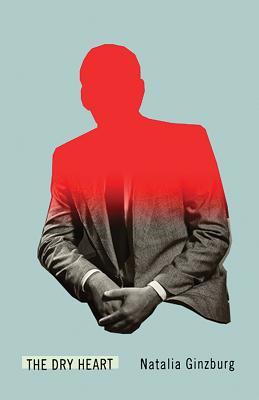
Natalia Ginzburg's The Dry Heart opens with its ending already known, a woman tells us she has just shot her husband, and then spends the rest of this slim, devastating novella explaining how an ordinary marriage arrived at that moment. What makes the book remarkable isn't suspense, it's the chilling clarity of its narrator's voice as she recounts years of small humiliations, withheld affection, and quiet self-erasure. Ginzburg wrote this in 1947, and it reads like a precursor to later interior studies of marital disappointment, think Jean Rhys's Good Morning, Midnight or the flat, unsparing confessionals of Jenny Offill's Dept. of Speculation. The prose is spare to the point of austerity, no scene lingers, no emotion is overexplained, yet the accumulated weight of ordinary neglect becomes almost unbearable. This isn't a thriller, despite the premise. It's closer to a psychological autopsy, interested less in why she did it than in how an entire life could be lived so quietly that violence starts to feel inevitable. Readers who loved the icy precision of Jean Rhys or the domestic dread of Elena Ferrante's early work will find a kindred spirit here. It's a short read, but not an easy one, best suited to readers who want literary fiction that trusts them to sit with discomfort rather than resolve it.