Thomas Harris's novel gave us Clarice Starling and Hannibal Lecter, but Jonathan Demme's 1991 adaptation turned that psychological tension into a cultural phenomenon. Here's how the two compare.
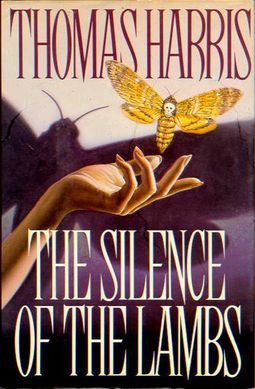
The Book
The Silence of the Lambs
by Thomas Harris
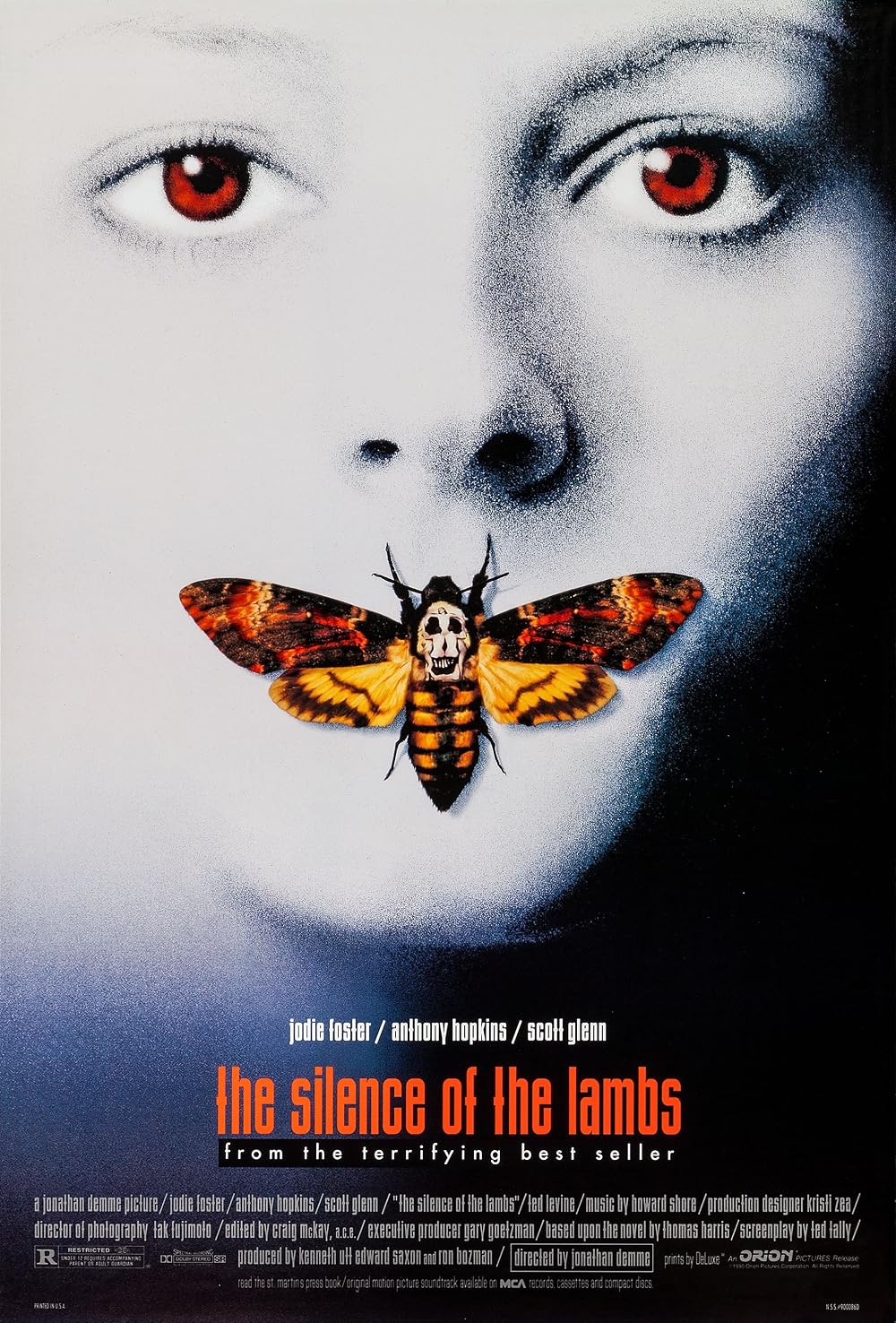
The Film
The Silence of the Lambs
Directed by Jonathan Demme, 1991
🔀 What Changed
Spoiler warning: this section discusses plot changes, including the ending.
The film trims several subplots involving Clarice's FBI training and backstory, focusing more tightly on the Buffalo Bill investigation than the novel does. Lecter's escape sequence is streamlined and made more visually gruesome for the screen, while the book spends more time on his manipulation of Clarice through letters and psychological interplay. The novel's ending, in which Clarice reflects on her father's death and Lecter's continued freedom, is compressed in the film into the now-iconic phone call scene. Buffalo Bill's characterization also shifts slightly, with the film reducing some of the novel's interior narration explaining his psychology, a change some critics have noted altered the audience's understanding of his motivations.
🎙️ What the Author Said
Thomas Harris has been notably private about discussing adaptations of his work in detail, giving few interviews on the subject. He has acknowledged in past press that he found Jonathan Demme's film faithful to the tone and psychological core of the novel, and Harris continued to work within the same fictional universe afterward, writing further Hannibal Lecter novels. Beyond general approval of the adaptation's quality, Harris has not offered extensive documented commentary on specific creative choices made in translating the book to screen.
“Harris found the film faithful to the novel's psychological core.”
Both versions have their devoted following, one for its interior psychological depth, the other for its taut, Oscar-winning execution. Now it's your turn to weigh in.