A novella tucked inside King's 1982 collection Different Seasons became one of the most beloved prison dramas ever made. Here's how the page and the screen actually compare.
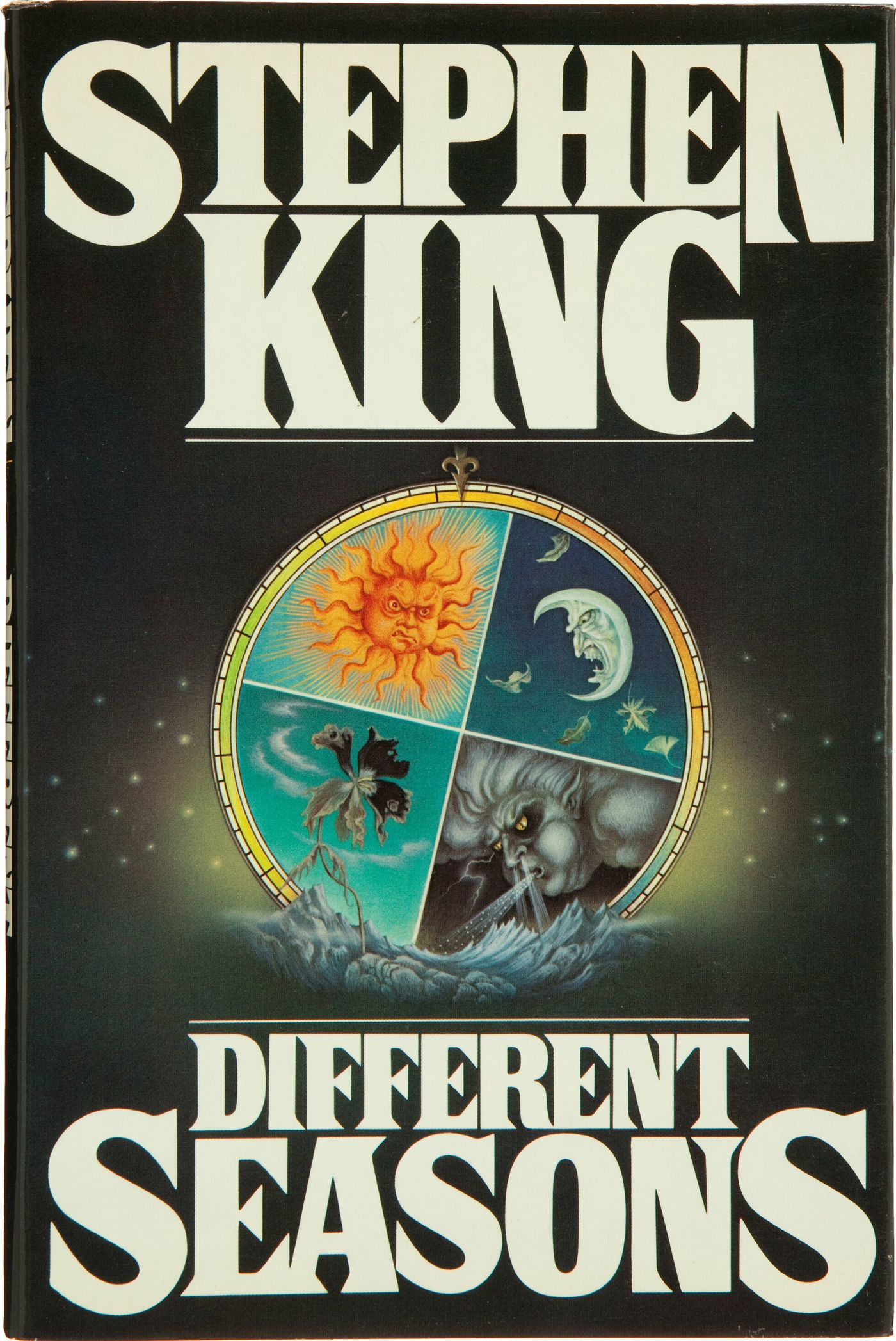
The Book
Rita Hayworth and Shawshank Redemption
by Stephen King
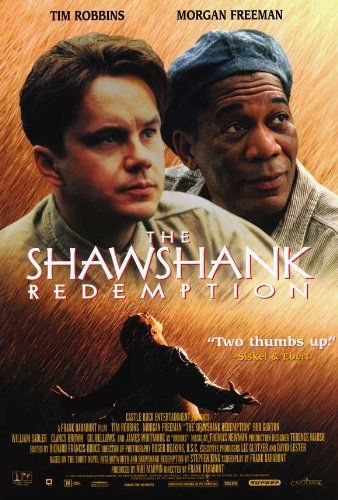
The Film
The Shawshank Redemption
Directed by Frank Darabont, 1994
🔀 What Changed
Spoiler warning: this section discusses plot changes, including the ending.
The novella is narrated entirely by Red, an Irish American in King's text, cast as Black in the film with Morgan Freeman, a change Darabont made deliberately. The warden's corruption and death play out differently on screen, with Darabont inventing a more dramatic suicide-by-gunshot confrontation not present in King's original text. The novella offers a more ambiguous, restrained ending regarding Andy and Red's reunion in Mexico, while the film stages a fuller, more visually resolved beach reunion. Darabont also expanded minor characters like Brooks into a fully realized subplot about institutionalization that is only briefly sketched in King's text.
🎙️ What the Author Said
King has spoken favorably and repeatedly about the adaptation over the years, calling it one of the best films made from his work. He has credited Frank Darabont's screenplay and direction for elevating the source material, and famously sold the film rights for a single dollar as part of his long-standing arrangement allowing student and independent filmmakers to adapt his shorter works cheaply. King has never expressed public dissatisfaction with the result.
“King called it one of the best adaptations of his work.”
The novella and the film tell largely the same story through different lenses and different endings. Now it's your call.