Fannie Flagg's 1987 novel about friendship, food, and small-town secrets in Alabama became a beloved ensemble film just four years later, with Flagg herself co-writing the screenplay.
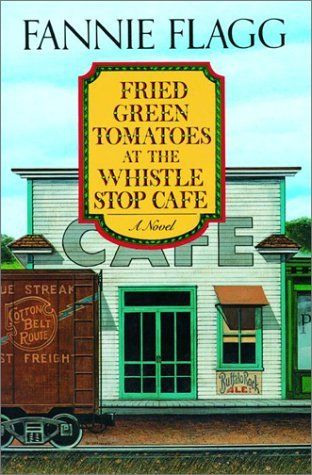
The Book
Fried Green Tomatoes at the Whistle Stop Cafe
by Fannie Flagg
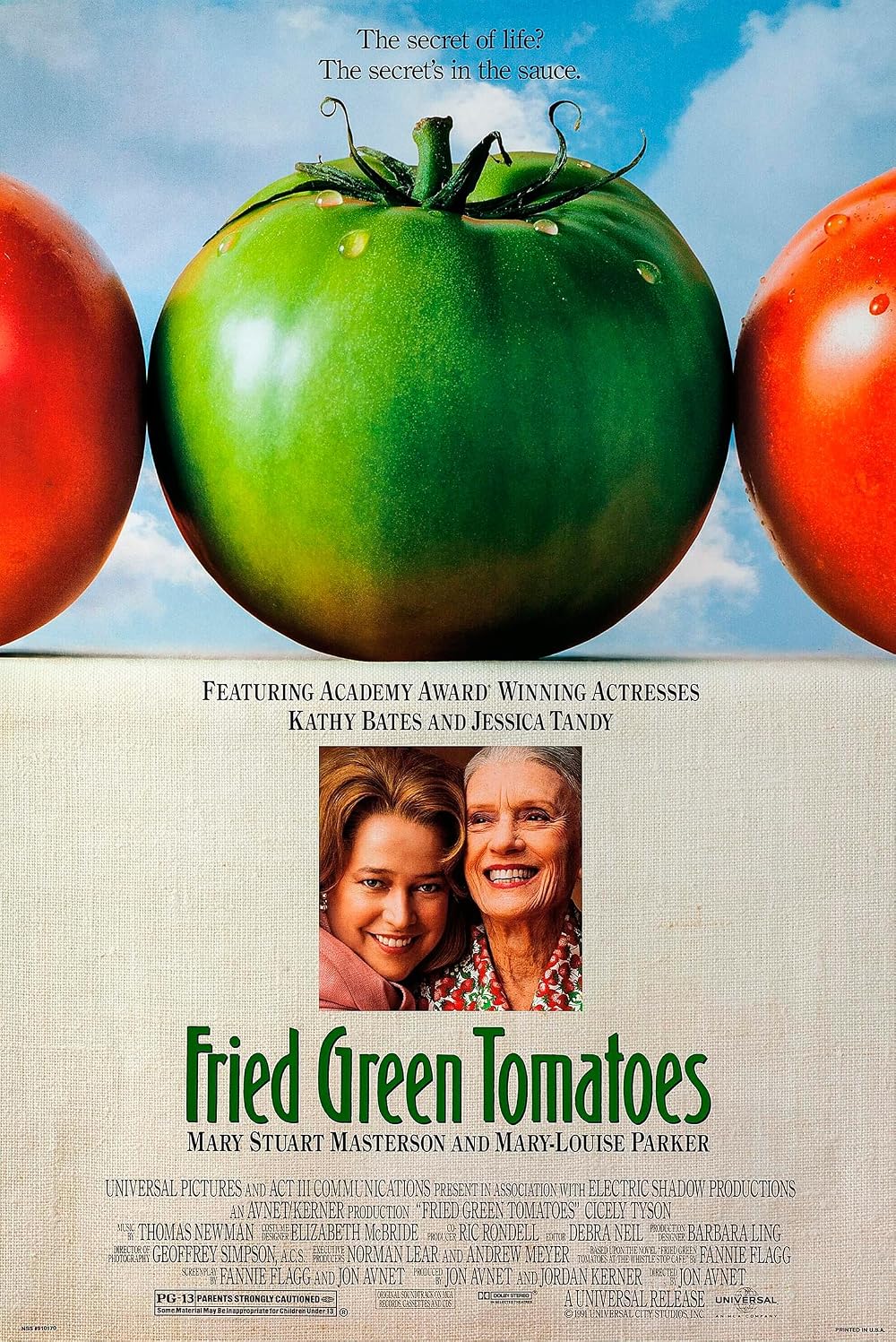
The Film
Fried Green Tomatoes
Directed by Jon Avnet, 1991
🔀 What Changed
Spoiler warning: this section discusses plot changes, including the ending.
The novel's timeline jumps between the 1920s-30s and the 1980s through newspaper clippings and nonlinear memory, while the film streamlines this into a more conventional frame story told by Ninny to Evelyn. The book is explicit that Idgie and Ruth's relationship is romantic, a dimension the film softens considerably into an ambiguous close friendship. The novel also directly states that Frank Bennett's death was no accident, and that the barbecue served to investigators contained his remains, a detail handled more obliquely on screen. Several supporting character arcs, including Smokey Lonesome's storyline, were trimmed for runtime.
🎙️ What the Author Said
Flagg co-wrote the screenplay with Carol Sobieski and has spoken positively about the adaptation in interviews, noting her close involvement protected the story's heart even as some content was softened for a mainstream studio release. She has acknowledged the romantic relationship between Idgie and Ruth was muted for the film, a choice she attributed to the era and studio pressures rather than her own preference.
“Flagg said the film's softening of Idgie and Ruth reflected the times, not her intent.”
Two versions of the Whistle Stop Cafe, one on the page and one on screen. Now it's your turn to pick.