Stephen King's claustrophobic thriller about a novelist held captive by his 'number one fan' became an Oscar-winning showcase for Kathy Bates. Here's how the page and the screen diverge, and what King himself said about it.
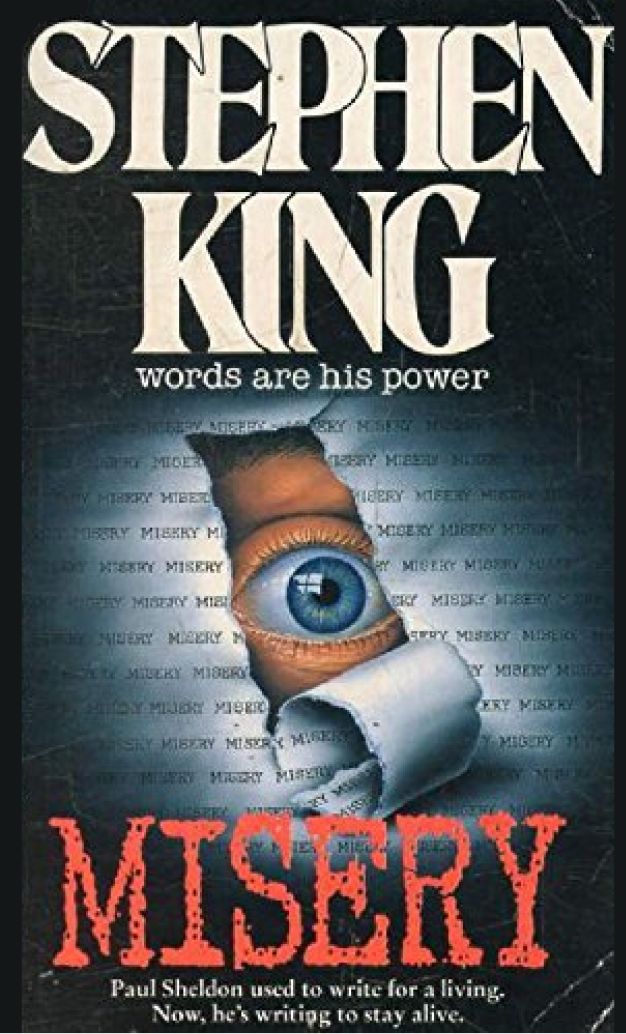
The Book
Misery
by Stephen King
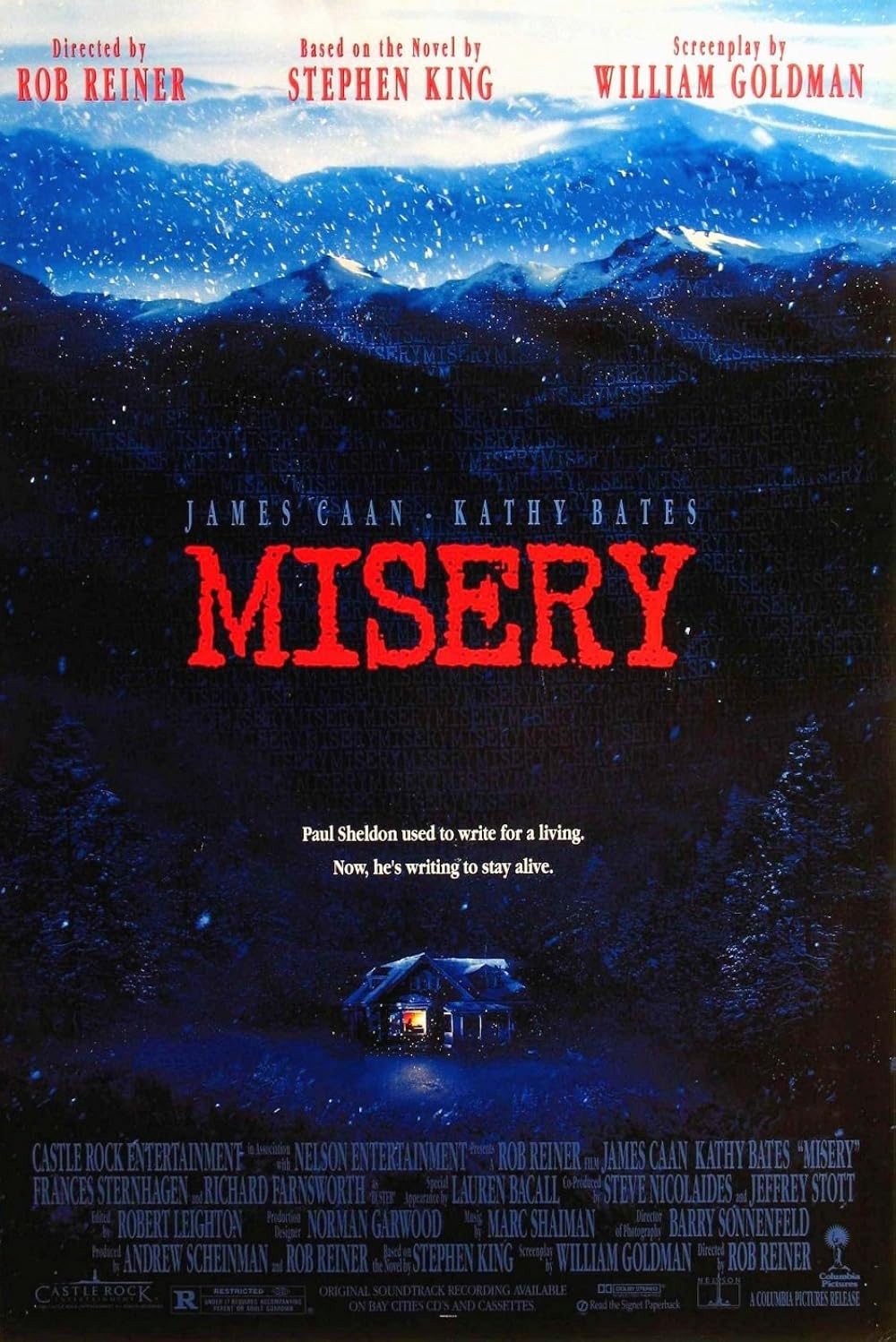
The Film
Misery
Directed by Rob Reiner, 1990
🔀 What Changed
Spoiler warning: this section discusses plot changes, including the ending.
The most significant change involves Annie Wilkes's method of immobilizing Paul: in King's novel she amputates his foot with an axe and cauterizes the wound with a blowtorch, a scene the film replaces with the comparatively less graphic 'hobbling' via sledgehammer to the ankles. The book also spends considerable time inside Paul's drug-addled, increasingly unreliable narration, a subjective quality film can't easily replicate. The ending differs too: King's novel has Paul finish Annie off and later encounter a waitress resembling her, a haunting touch dropped from Reiner's more conventional climax and confrontation.
🎙️ What the Author Said
Stephen King has spoken positively about the adaptation on multiple occasions, praising William Goldman's screenplay and Kathy Bates's Oscar-winning performance as Annie Wilkes. In interviews, King has called it one of the better adaptations of his work, noting that Goldman understood the psychological core of the story even while softening some of its more graphic content for the screen.
“King called it one of the better adaptations of his work.”
Both versions have their devoted fans, from the page's unflinching brutality to the screen's performances. Now it's your turn to weigh in.