Gillian Flynn's twisty marriage thriller became one of the decade's most talked-about adaptations, with the author herself writing the screenplay.
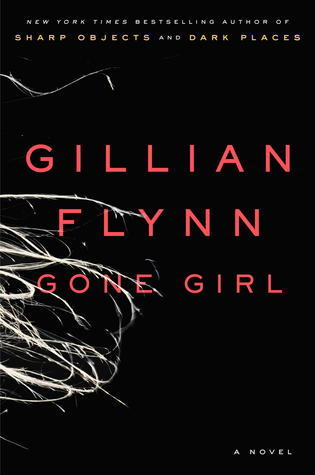
The Book
Gone Girl
by Gillian Flynn
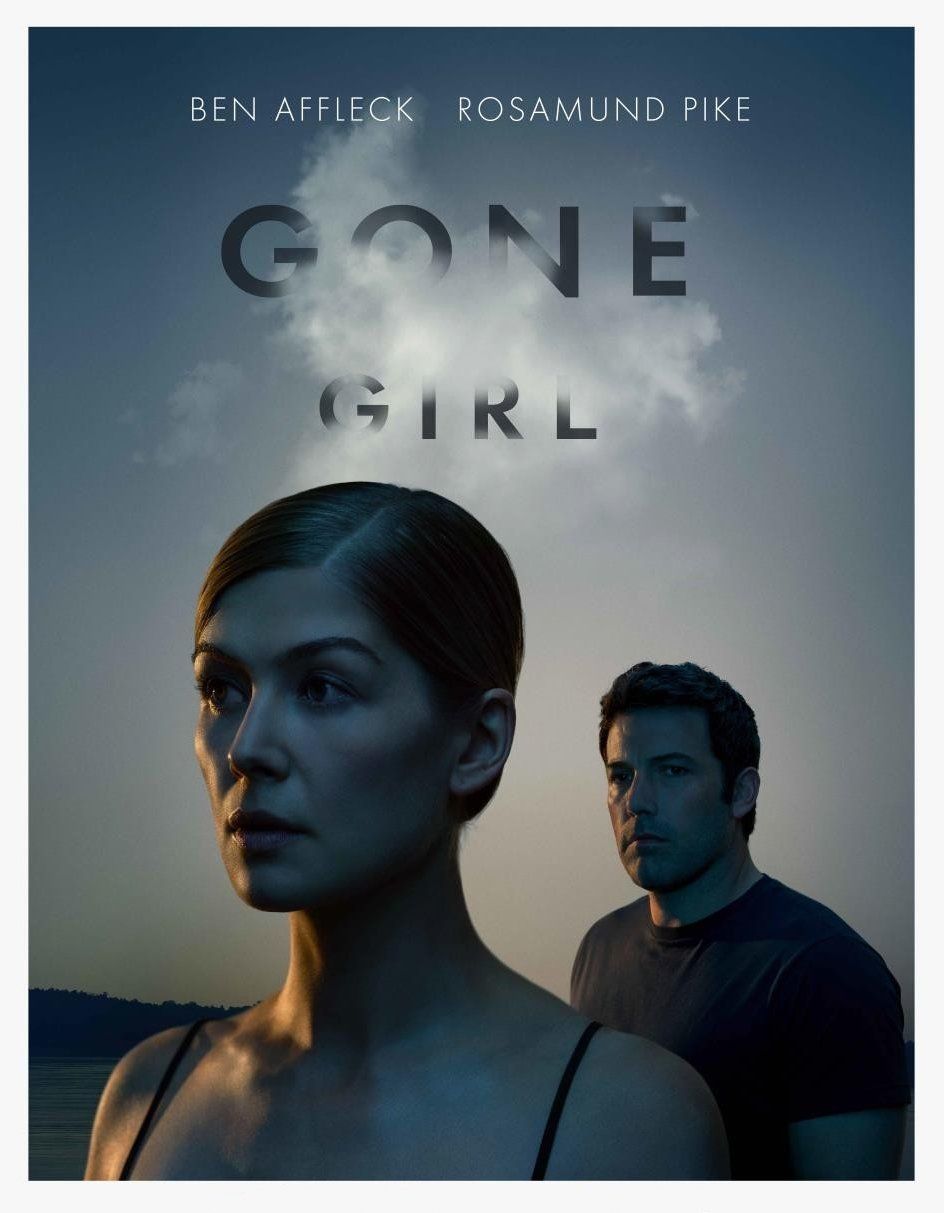
The Film
Gone Girl
Directed by David Fincher, 2014
🔀 What Changed
Spoiler warning: this section discusses plot changes, including the ending.
Gillian Flynn wrote the screenplay herself, which kept the adaptation unusually close to the source, but notable differences remain. The novel's structure relies on unreliable diary entries from Amy that are revealed as fabrications; the film compresses and restages this reveal visually rather than through prose. Nick's twin sister Margo is given a reduced but still significant role, with some of her book dialogue redistributed. The ending, in which Amy returns and the couple remains together under manufactured public pressure, is preserved nearly intact from the book, a choice Flynn fought to keep rather than softening it for the screen.
🎙️ What the Author Said
Gillian Flynn has spoken repeatedly in interviews about adapting her own novel, including with Entertainment Weekly and NPR, describing the process as collaborative with director David Fincher rather than adversarial. She has said she pushed to preserve the book's bleak ending despite pressure to change it for a mainstream audience, and has described the film as a faithful expression of her original intent rather than a studio compromise.
“I wanted it to stay dark. That was non-negotiable for me.”
The book and the film tell largely the same story, but they're not identical experiences. Now it's your turn to weigh in.