Bret Easton Ellis's American Psycho scandalized publishers before it even hit shelves in 1991. Nine years later, director Mary Harron turned it into a darkly comic satire that found its own cult following.
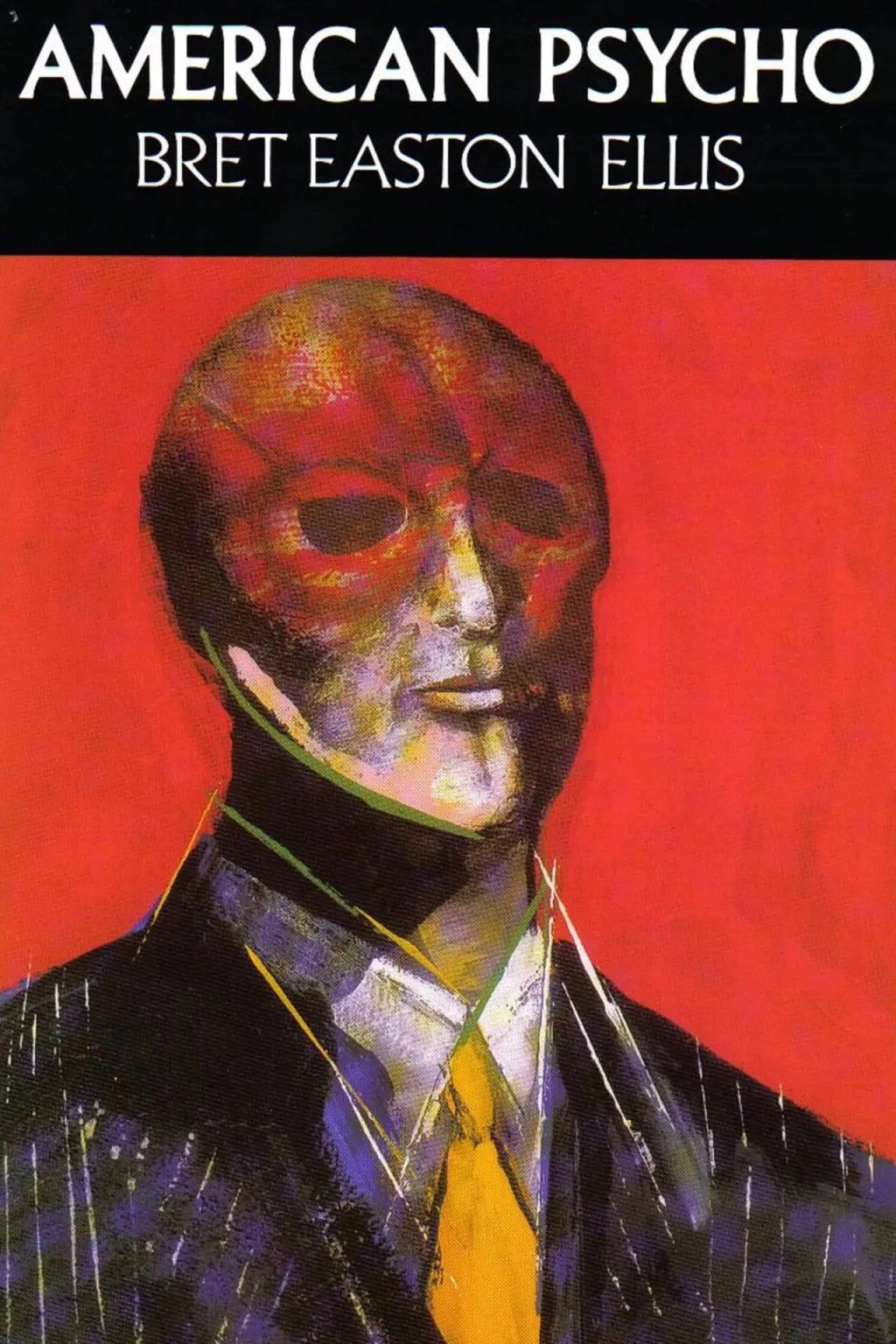
The Book
American Psycho
by Bret Easton Ellis
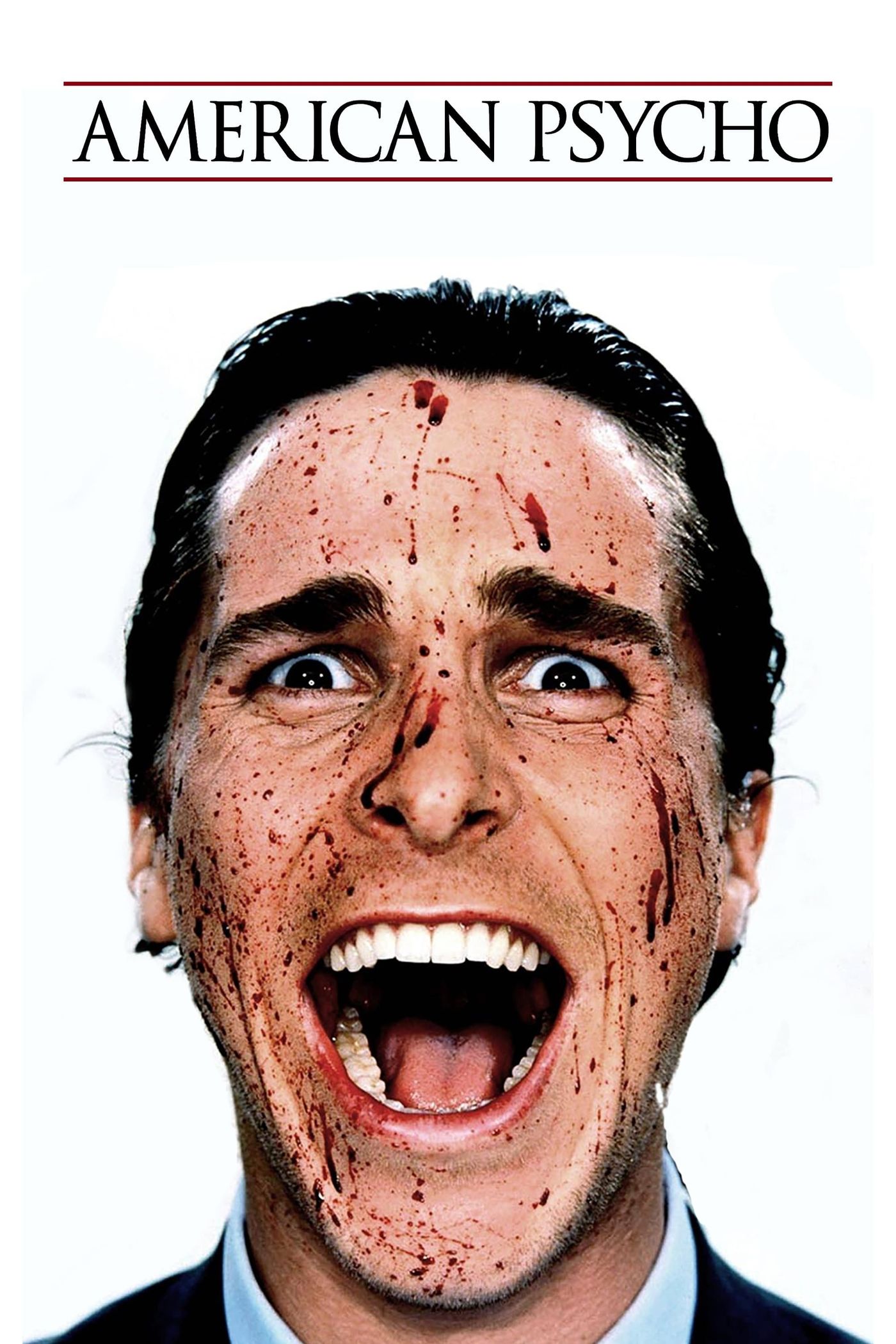
The Film
American Psycho
Directed by Mary Harron, 2000
🔀 What Changed
Spoiler warning: this section discusses plot changes, including the ending.
The novel's most graphic violence, including scenes involving a chainsaw and extended torture sequences, is drastically toned down or removed for the film, with Harron favoring suggestion and dark comedy over explicit gore. The book keeps Patrick Bateman's murders deliberately ambiguous as possibly imagined, a choice the film sharpens by making the closing scenes even more openly uncertain, leaning into psychological unreliability rather than confirming any killings actually happened. Ellis's novel also spends far more time on brand-name minutiae and consumerist monologues, much of which is condensed or cut for pacing. The film additionally shifts some satire toward gender dynamics in the finance world, sharpening a critique that's more diffuse on the page.
🎙️ What the Author Said
Bret Easton Ellis has spoken publicly and favorably about the adaptation on multiple occasions, including in interviews, calling Christian Bale's performance and Mary Harron's directorial choices effective at capturing the book's satire. He has noted that he was initially skeptical a film could handle the material given the novel's controversial reception, but came to view Harron's take as a legitimate and smart interpretation rather than a betrayal of the source text.
“Ellis has praised Bale's performance as capturing Bateman perfectly.”
Two very different reading experiences, one shared story. Now it's your turn to weigh in.