Our Take
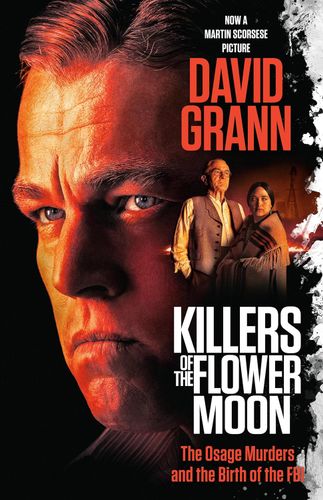
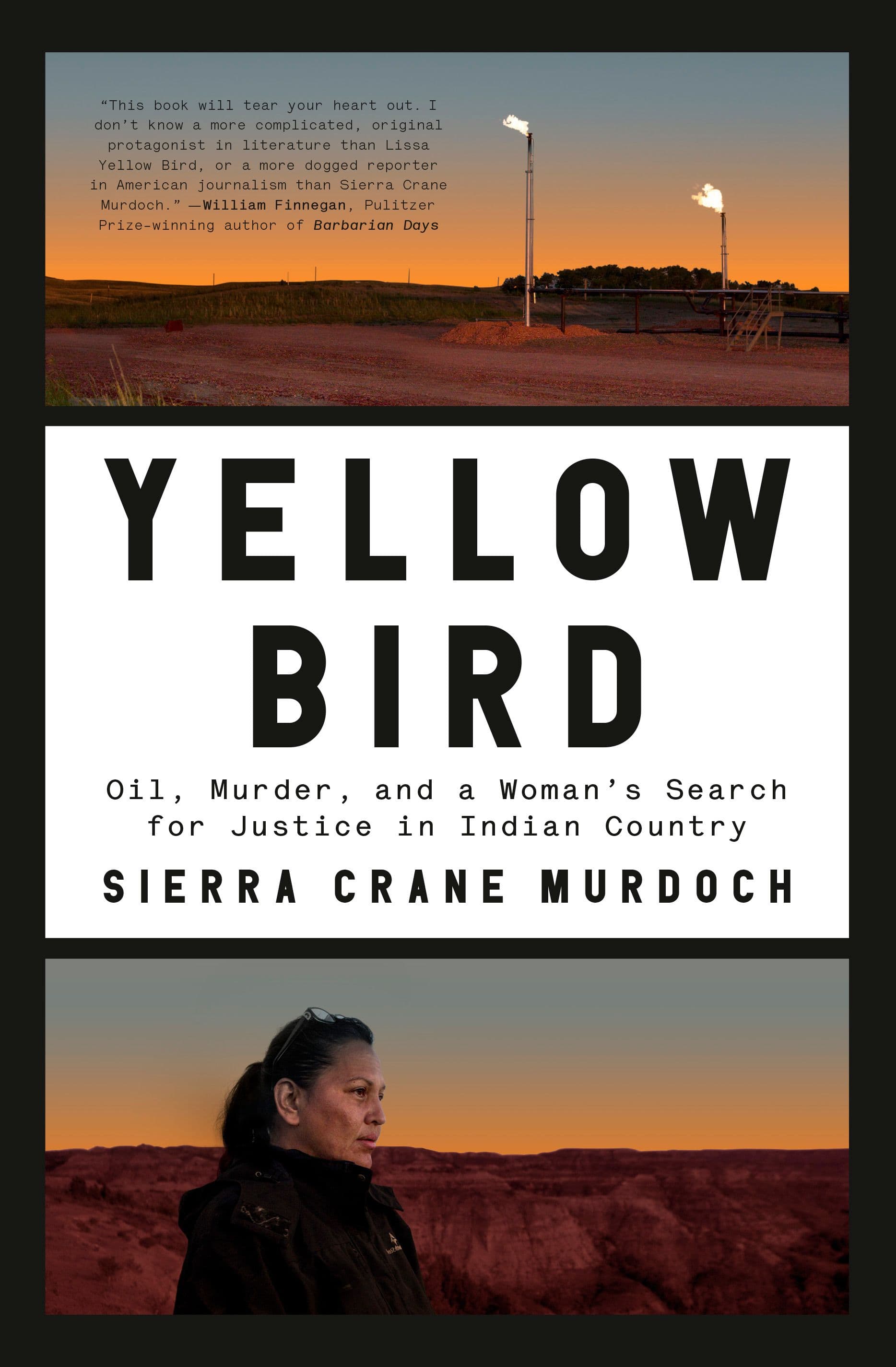
Yellow Bird is extraordinary investigative journalism that transcends the true crime genre to become something much more significant. Sierra Crane Murdoch doesn't just solve a mystery—she exposes the systemic forces that make violence against Native people and exploitation of Native lands possible and often invisible. Lissa Yellow Bird emerges as an unforgettable protagonist: flawed, fierce, complicated, and utterly determined. Murdoch never romanticizes or simplifies her subject, instead presenting Lissa's struggles with addiction, her criminal history, and her difficult family relationships alongside her extraordinary courage and investigative instincts. What makes this book essential is how it connects one man's disappearance to larger patterns of environmental destruction, jurisdictional confusion on reservations, and the way extractive industries bring violence to Indigenous communities. The oil boom serves as both backdrop and catalyst, transforming the Fort Berthold reservation into a lawless frontier where Native women disappear at alarming rates and tribal sovereignty is constantly undermined. Murdoch's prose is elegant and restrained, letting the devastating facts speak for themselves. The reporting is meticulous, the storytelling propulsive. Readers who appreciated Killers of the Flower Moon by David Grann or The Many Daughters of Afong Moy will find similar power here. Yellow Bird is essential reading—a masterwork of narrative nonfiction that demands accountability and honors Indigenous resistance.