Our Take
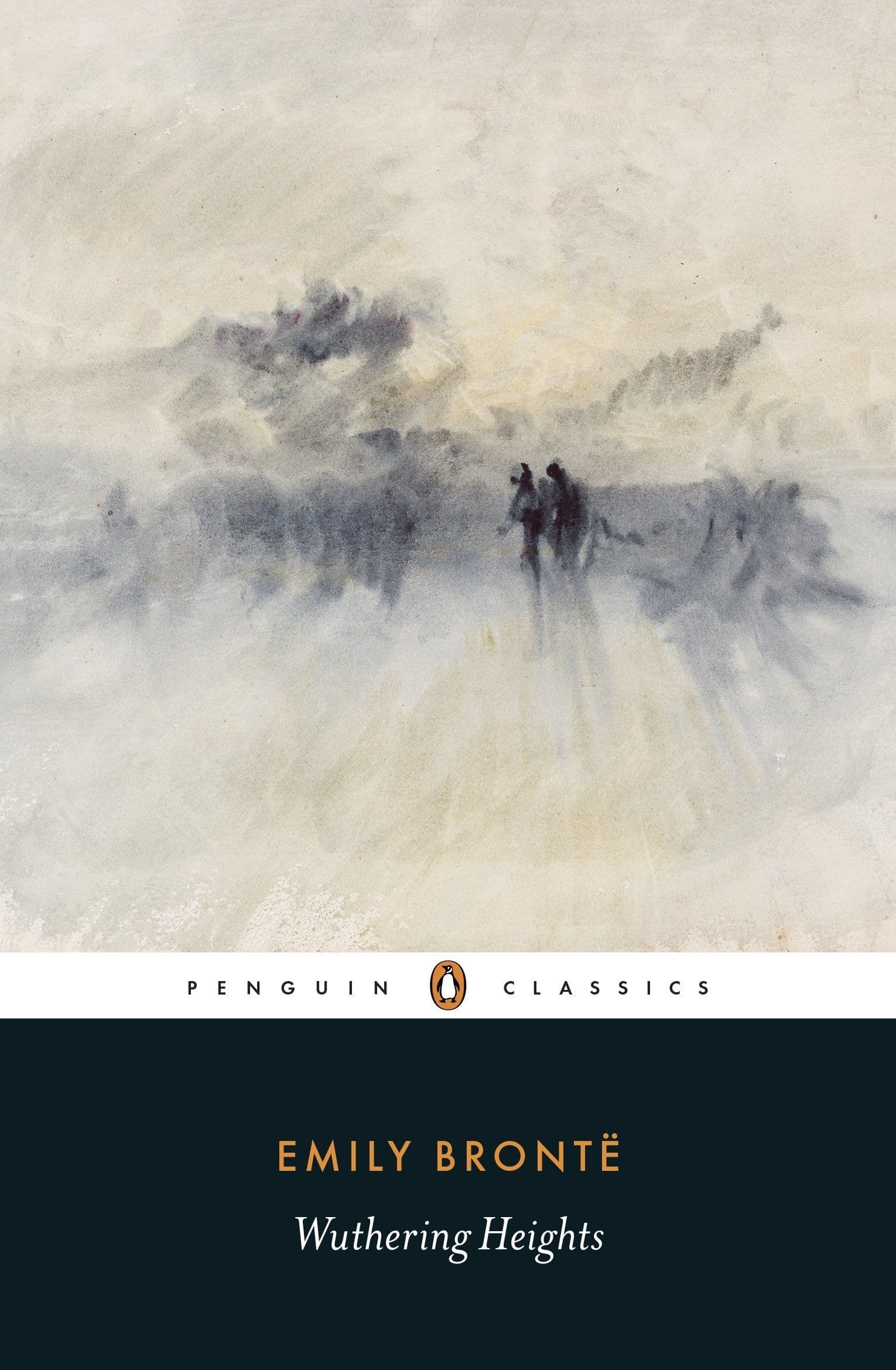
Wuthering Heights stands as one of literature's most audacious explorations of human passion—both in its creative execution and its thematic content. Emily Brontë's only novel defies easy categorization, blending gothic atmosphere, psychological realism, and metaphysical concerns into a narrative that feels simultaneously dreamlike and brutally real. The novel's innovative structure—with its nested narrators, nonlinear timeline, and unreliable perspectives—creates a sense of disorientation that mirrors the emotional turbulence at its core. At its heart is the relationship between Catherine and Heathcliff, perhaps literature's most primal and destructive love, one that challenges conventional morality and transcends death itself. What makes Wuthering Heights so enduringly powerful is its refusal to judge its characters according to social norms, instead creating a microcosm where nature, human emotion, and spiritual forces exist in volatile, elemental harmony. The novel's harsh beauty and emotional intensity continue to shock and move readers nearly two centuries after its publication.