Our Take
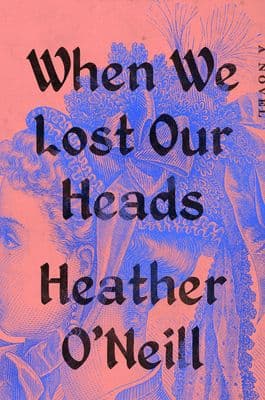
Heather O'Neill, whose previous novels The Lonely Hearts Hotel and Lullabies for Little Criminals established her as a master of dark, lyrical prose, delivers her most ambitious work yet with When We Lost Our Heads. This sweeping historical novel uses the intense, destructive friendship between Marie and Sadie as a lens to examine class warfare, female desire, and the revolutionary potential of women's rage. O'Neill writes with gothic sensuality, creating a world where privilege and poverty exist side by side, where women navigate impossible constraints on their agency, and where obsessive love becomes indistinguishable from hatred. The prose is lush and occasionally baroque, packed with striking imagery and metaphors that linger in the mind. What makes the novel extraordinary is O'Neill's refusal to make either protagonist sympathetic—Marie and Sadie are both compelling and repellent, their actions sometimes admirable and sometimes monstrous. The supporting cast of factory workers, sex workers, and revolutionaries enriches the narrative, showing how individual obsessions intersect with broader social movements. O'Neill's Montreal feels both historically grounded and slightly fantastical, a city on the brink of transformation. The book explores how women's constrained desires—for power, for each other, for freedom—can fuel both personal destruction and political revolution. Readers who loved Sarah Waters's gothic historical fiction or Emma Donoghue's The Wonder will be captivated by O'Neill's dark vision. For anyone seeking historical fiction that's uncompromising in its portrayal of female desire and class conflict, When We Lost Our Heads is a mesmerizing achievement from one of contemporary literature's most distinctive voices.