Our Take
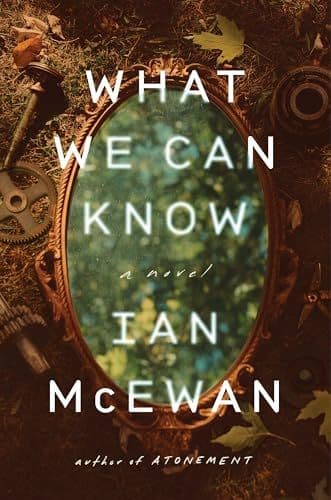
Ian McEwan, whose novels like Atonement and Saturday have established him as one of Britain's greatest living writers, brings his characteristic precision and psychological insight to climate fiction with What We Can Know. Unlike dystopian climate novels that wallow in apocalyptic despair, McEwan imagines a future where catastrophe has reshaped the world but hasn't destroyed human curiosity, scholarship, or the hunger for beauty. The dual timeline structure allows him to make our present moment—with all its freedoms and possibilities—feel precious and precarious through the eyes of a future academic looking back with longing. Tom's search for the lost poem becomes a meditation on what we preserve and what we lose, how stories survive when physical artifacts don't, and why art matters especially when everything else has changed. McEwan's prose remains elegant and controlled, never succumbing to sentimentality even as he explores profoundly emotional territory. The revelation of the 2014 storyline—with its entangled loves and hidden crime—demonstrates McEwan's mastery at creating moral complexity and examining how well we can ever truly know other people. What makes the novel remarkable is its refusal of easy answers: the future isn't paradise or hell but simply different, with its own challenges and compensations. The book asks what aspects of civilization are worth preserving and how we might carry forward what matters most through catastrophic change. Readers who appreciated Emily St. John Mandel's Station Eleven or Richard Powers's The Overstory will recognize McEwan's ambition to use climate fiction for serious literary purposes. For anyone seeking fiction that confronts our environmental crisis without losing sight of what makes us human—art, love, curiosity, the need to understand—What We Can Know is essential reading from a master at the height of his powers.