Our Take
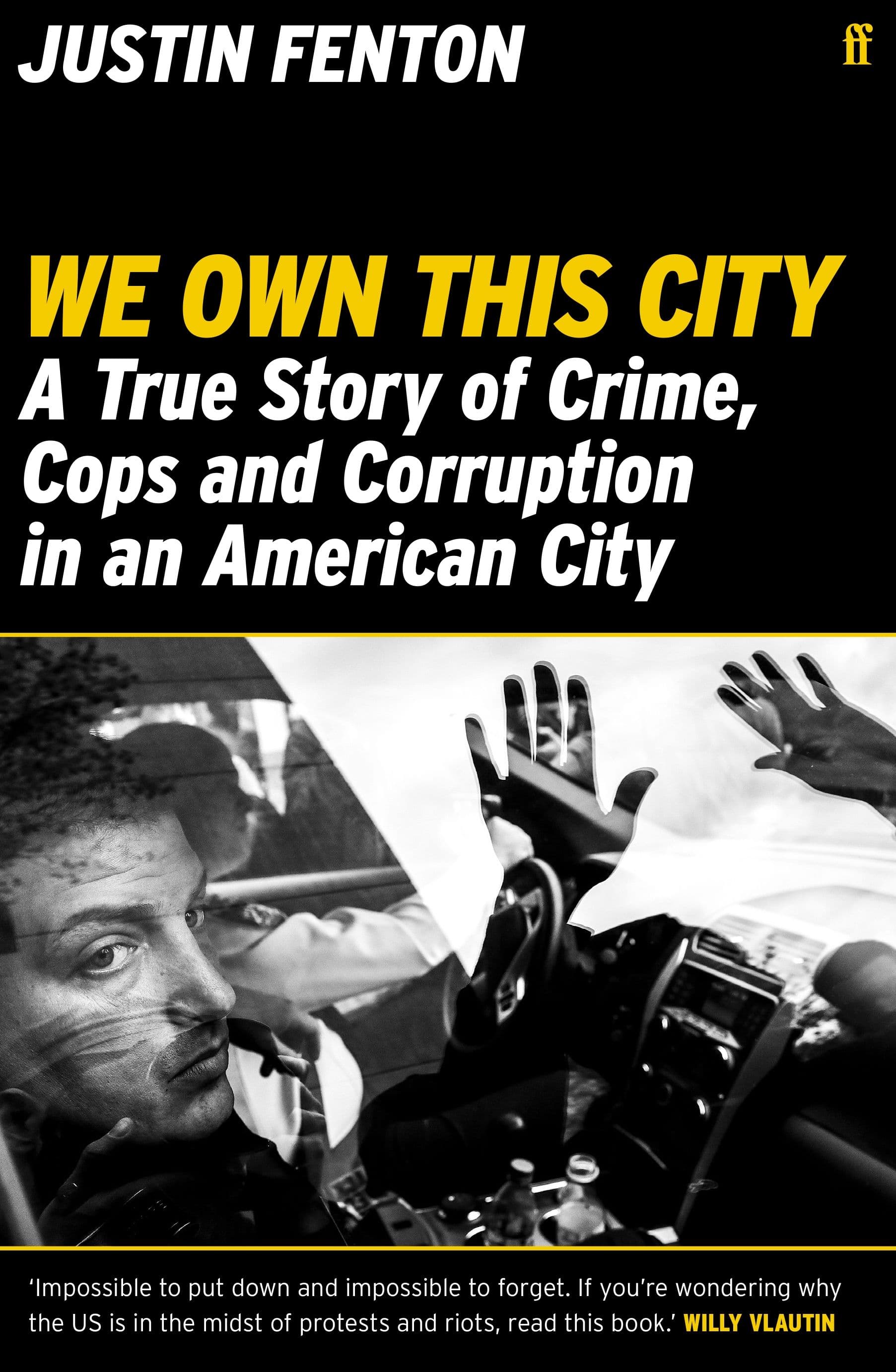
Justin Fenton's We Own This City stands as essential reading in the conversation about policing in America. As a Baltimore Sun reporter who covered the Gun Trace Task Force scandal from the beginning, Fenton brings insider access and journalistic rigor to this devastating account of institutional failure. What makes this book extraordinary is how it contextualizes the Task Force's crimes within Baltimore's broader history of police corruption, failed reforms, and the impossible position the city found itself in—needing aggressive policing to combat violence while that same aggression enabled predatory officers. Fenton doesn't offer easy answers or simple villains; instead, he traces how systemic problems, inadequate oversight, and a culture that rewarded results over ethics created conditions where Jenkins and his team could operate for years. The book reads with the propulsive tension of a crime thriller, but every shocking detail is meticulously documented fact. Fenton's reporting on the victims—both the criminals robbed by police and the innocent citizens caught in their schemes—humanizes the impact of corruption in ways statistics cannot. The timing of the scandal, occurring as Baltimore grappled with the Freddie Gray protests, creates tragic irony that Fenton handles with appropriate weight. For readers who appreciated The Cadaver King and the Country Dentist by Radley Balko or David Simon's Homicide, this offers similarly incisive examination of criminal justice dysfunction. It's investigative journalism at its finest—clear-eyed, thorough, and absolutely essential for understanding policing, accountability, and power in American cities.