Our Take
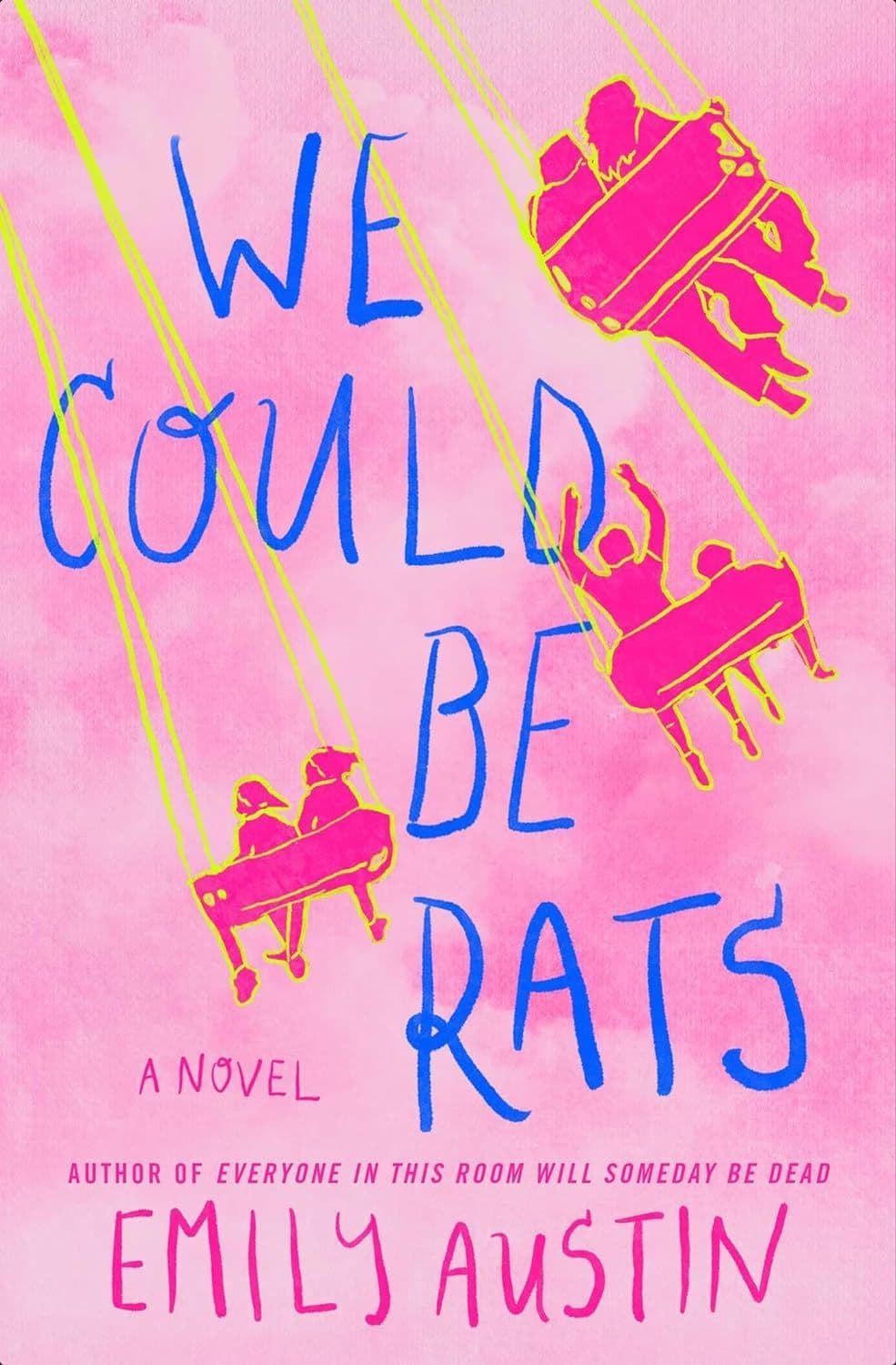
Emily Austin's "We Could Be Rats" offers a refreshingly unsentimental yet deeply affecting portrait of sisterhood and the different paths we take in life. Following her acclaimed debut "Everyone in This Room Will Someday Be Dead," Austin continues to demonstrate her gift for crafting characters who are simultaneously flawed, endearing, and profoundly human. The relationship between Sigrid and Margit feels achingly real—neither idealized nor overly dramatized—as they navigate the complicated territory of adult siblings who have chosen different life paths. Austin's prose is deceptively simple, allowing moments of unexpected beauty and insight to emerge organically from everyday interactions. The novel excels in its exploration of how mental health challenges shape not just individual identities but family dynamics as well, addressing these themes with sensitivity and nuance. The small-town setting becomes a character in itself, both nurturing and constraining, adding texture to the sisters' evolving relationship. What makes "We Could Be Rats" stand out in contemporary fiction is its refusal to offer neat resolutions or transformative epiphanies—instead, Austin presents the messy, ongoing work of understanding ourselves and those we love, suggesting that reconciliation often comes not through dramatic moments but through small gestures of acceptance.