Our Take
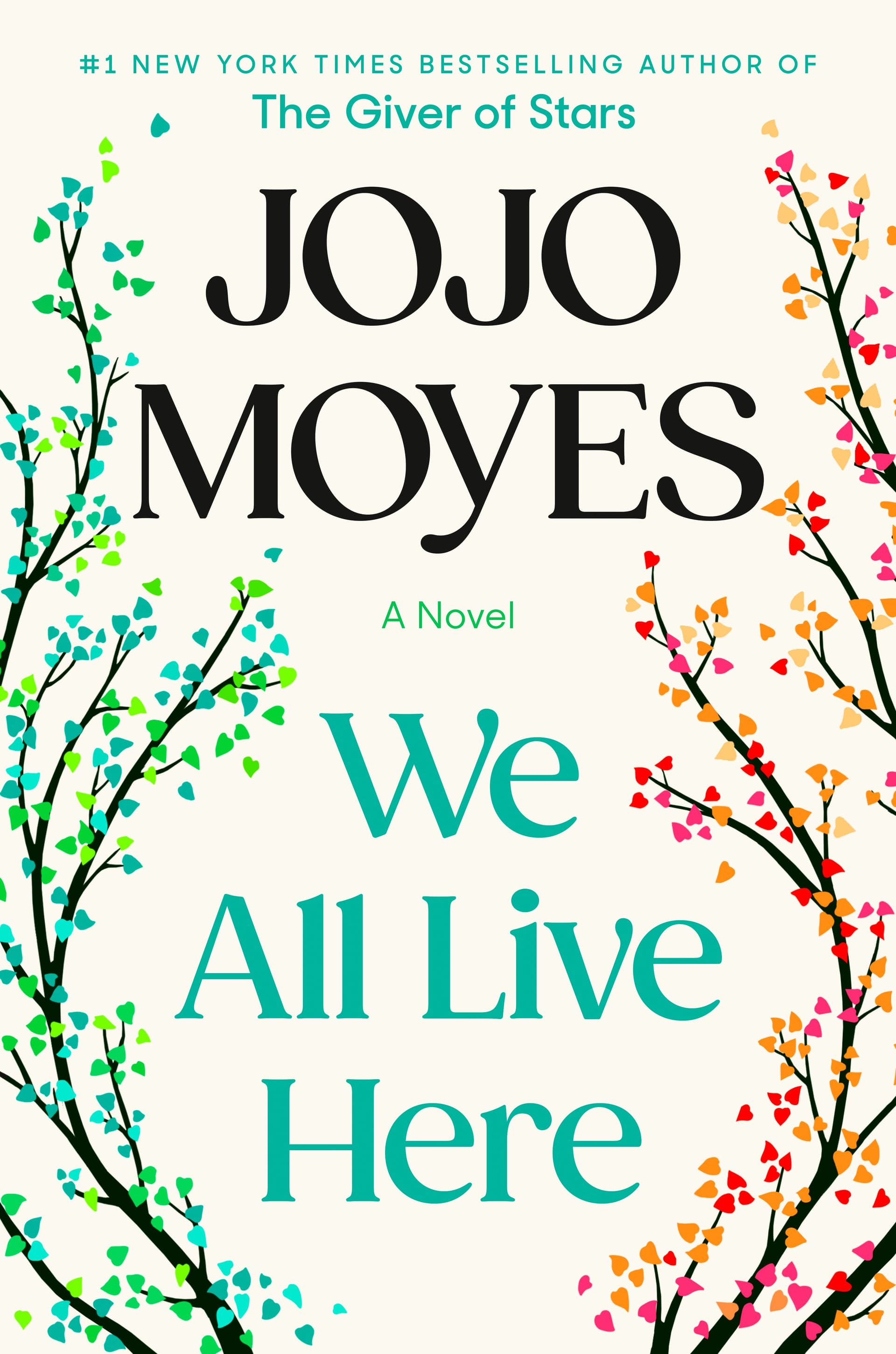
In "We All Live Here," Jojo Moyes once again demonstrates her exceptional talent for crafting stories that capture the messiness and beauty of ordinary lives. Following the global success of "Me Before You," Moyes returns to what she does best: creating deeply human characters facing relatable struggles with grace, humor, and occasional missteps. What distinguishes this novel is Moyes' nuanced portrayal of intergenerational conflict and reconciliation. Lila's journey from resentment to understanding as she confronts her father's reappearance unfolds with remarkable emotional authenticity, avoiding both easy forgiveness and melodramatic confrontations. The deteriorating house serves as a perfect metaphor for Lila's life—in need of repair but built on a foundation worth saving. Readers will particularly appreciate how Moyes portrays the teenage daughters with respect and dimension, acknowledging their legitimate perspectives within the family drama. With its perfect balance of poignancy and wit, "We All Live Here" reminds us that homes—both physical and emotional—require constant maintenance, but the effort yields rewards worth fighting for.