Classics

Recent Content

Say You'll Remember Me

Say You'll Remember Me

Say You'll Remember Me by Abby Jimenez: A veterinarian meets his match in a woman who can't commit—but their connection refuses to fade.

Read more
Hemlock & Silver

Hemlock & Silver

Hemlock & Silver by T. Kingfisher: A dark Snow White retelling where a poison-drinking healer must save a dying princess from magical threats.

Read more
Blacktop Wasteland

Blacktop Wasteland

Blacktop Wasteland by S.A. Cosby: A reformed getaway driver is pulled back into crime for one last heist that goes catastrophically wrong.

Read more
Checkout 19

Checkout 19

Checkout 19 by Claire-Louise Bennett: A radical novel about a young woman discovering her creative genius through books, people, and imagination.

Read more
Say Nothing

Say Nothing

Say Nothing by Patrick Radden Keefe: The mesmerizing true story of a mother's murder and Northern Ireland's Troubles and their aftermath.

Read more
See All Content
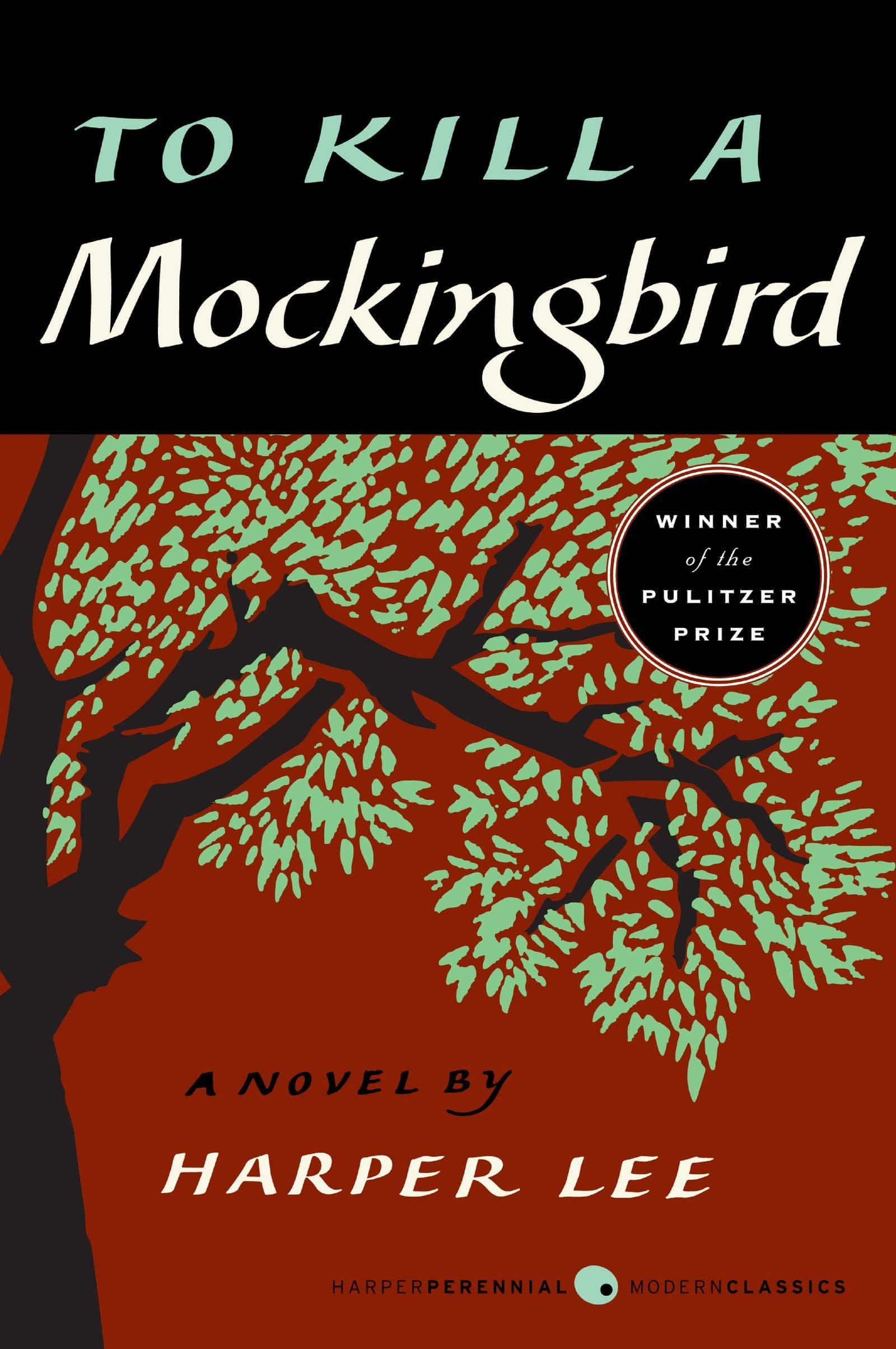
To Kill a Mockingbird book cover

To Kill a Mockingbird

by Harper Lee

Historical Fiction
Coming-of-Age
Legal Drama
324 Pages

"To Kill a Mockingbird taught me more about courage, empathy, and justice than any other book I've ever read. Scout's voice stays with you long after the final page."

Synopsis

Set in the fictional town of Maycomb, Alabama during the Great Depression, To Kill a Mockingbird is narrated by Scout Finch, a young girl whose father, Atticus, is a respected lawyer. When Atticus agrees to defend Tom Robinson, a Black man falsely accused of raping a white woman, Scout and her brother Jem are exposed to the prejudice and racism that permeate their community. Running parallel to this central plot is the children's fascination with their reclusive neighbor, Boo Radley, whom they've never seen but about whom they've heard terrifying stories. As the trial progresses and tensions rise, Scout learns profound lessons about human dignity, moral courage, and the importance of standing up for what's right, even when facing overwhelming opposition.

Our Take

Harper Lee's To Kill a Mockingbird strikes that rare balance of being both a profound moral treatise and a captivating, accessible story. The genius of the novel lies in its child narrator—Scout's innocent perspective allows us to see the injustices of the adult world with clarity stripped of rationalization. Through her eyes, complex social issues become matters of simple moral intuition: what's fair and what isn't. Atticus Finch remains one of literature's most compelling moral heroes, embodying principled courage in the face of community pressure. What makes the novel timeless is not just its examination of racial injustice, but its broader exploration of how prejudice operates in all its forms. Lee's portrayal of small-town Southern life is simultaneously affectionate and unflinching, creating a richly textured world where the lines between good and evil aren't always clearly drawn, but where the distinction between right and wrong shines with unmistakable clarity.

Related Content

Terms and ConditionsDo Not Sell or Share My Personal InformationPrivacy PolicyPrivacy NoticeAccessibility NoticeUnsubscribe
Copyright © 2026 Plot Digest