Our Take
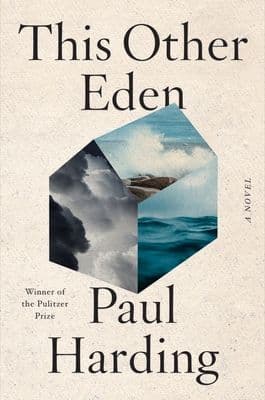
Harding packs more into 224 pages than most writers manage in twice the space. His prose is the kind that stops you mid-sentence — dense, lyrical, almost biblical in its rhythms — and the Apple Island community he creates feels fully realized despite the novel's brevity. This is historical fiction that doesn't merely reconstruct the past; it illuminates the present, particularly in its portrait of how pseudoscience and bureaucratic language are used to dress up intolerance as virtue.
The moral complexity here is quietly devastating. The missionary who selects young Ethan Honey for rescue is not a cartoon villain — he genuinely believes he is saving a child. That ambiguity is what makes the novel linger. Harding forces the reader to sit with the terrible question of what it means to be "saved" at the cost of everything and everyone you come from.
Readers who loved Harding's Pulitzer Prize–winning Tinkers will find this equally stunning, and more urgent in scope. For those new to his work, this is the perfect entry point. It belongs on the shelf alongside Washington Black by Esi Edugyan for its portrait of a Black artist navigating a world that would unmake him, and The Known World by Edward P. Jones for its unflinching excavation of race, community, and power in American history.