Our Take
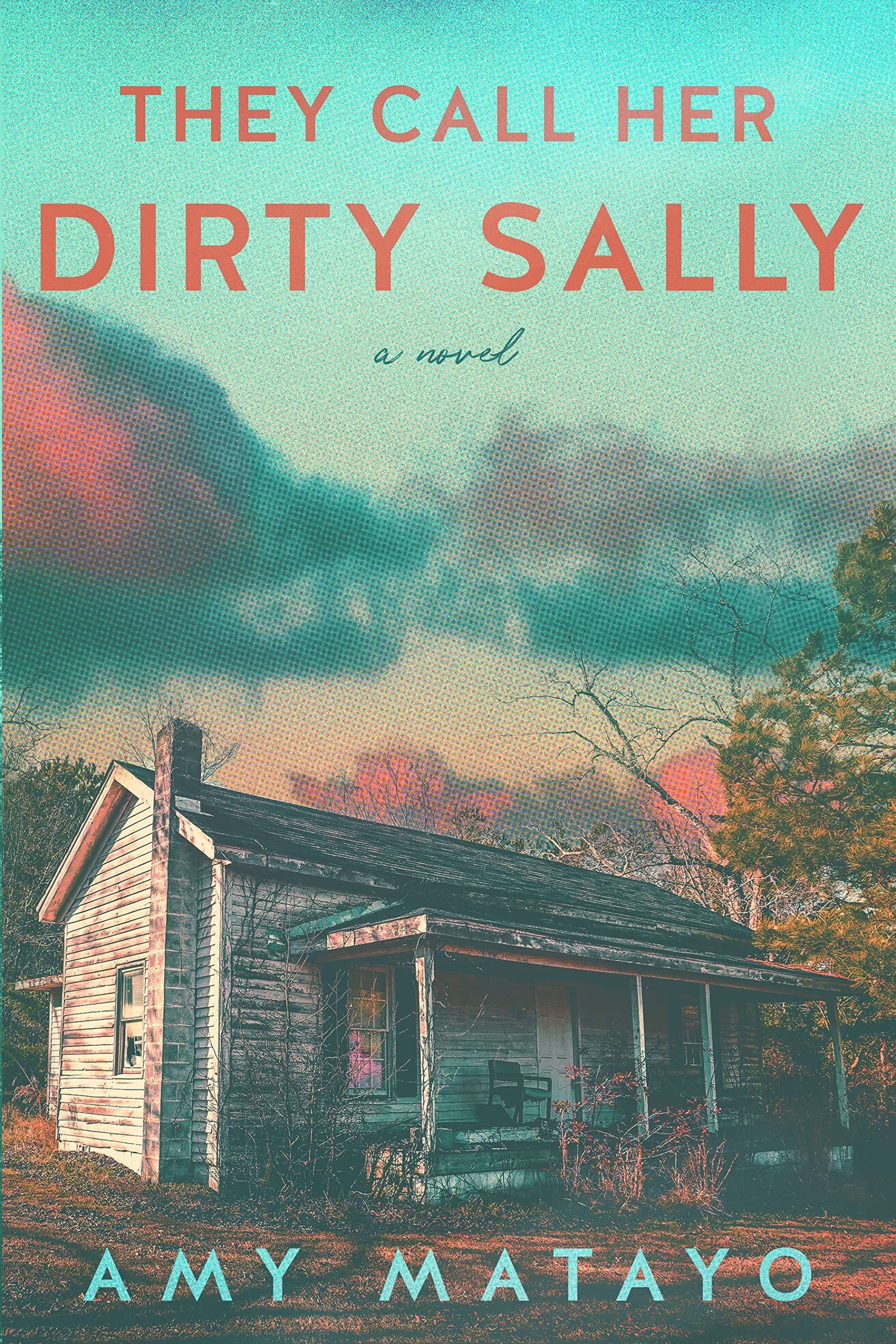
Matayo tackles the heavy themes of shame, redemption, and small-town judgment with sensitivity and authentic emotion that resonates long after the final page. Her portrayal of Sally as a flawed but fiercely determined woman fighting against societal labels feels both timely and timeless. Readers who appreciated Where the Crawdads Sing by Delia Owens or The Book Woman of Troublesome Creek by Kim Michele Richardson will connect with Matayo's exploration of how communities can both wound and heal. The author's background in contemporary women's fiction shows in her nuanced character development and realistic dialogue that captures the rhythms of small-town life. Sally emerges as a fully realized protagonist whose struggles with self-worth and maternal protectiveness feel genuine and relatable. The supporting cast, from Sally's teenage daughter to the townspeople who both judge and support her, adds depth without overwhelming the central narrative. Matayo avoids easy answers or quick fixes, instead showing the slow, difficult work of changing both personal perspectives and community attitudes. The Southern setting provides authentic atmosphere without falling into stereotype, while the themes of forgiveness and second chances offer hope without sentimentality. Perfect for readers who enjoy character-driven fiction that explores social issues through personal stories and book clubs seeking discussions about judgment, grace, and the power of community. They Call Her Dirty Sally proves that sometimes the most powerful stories are about ordinary people finding extraordinary courage to change their circumstances.