Our Take
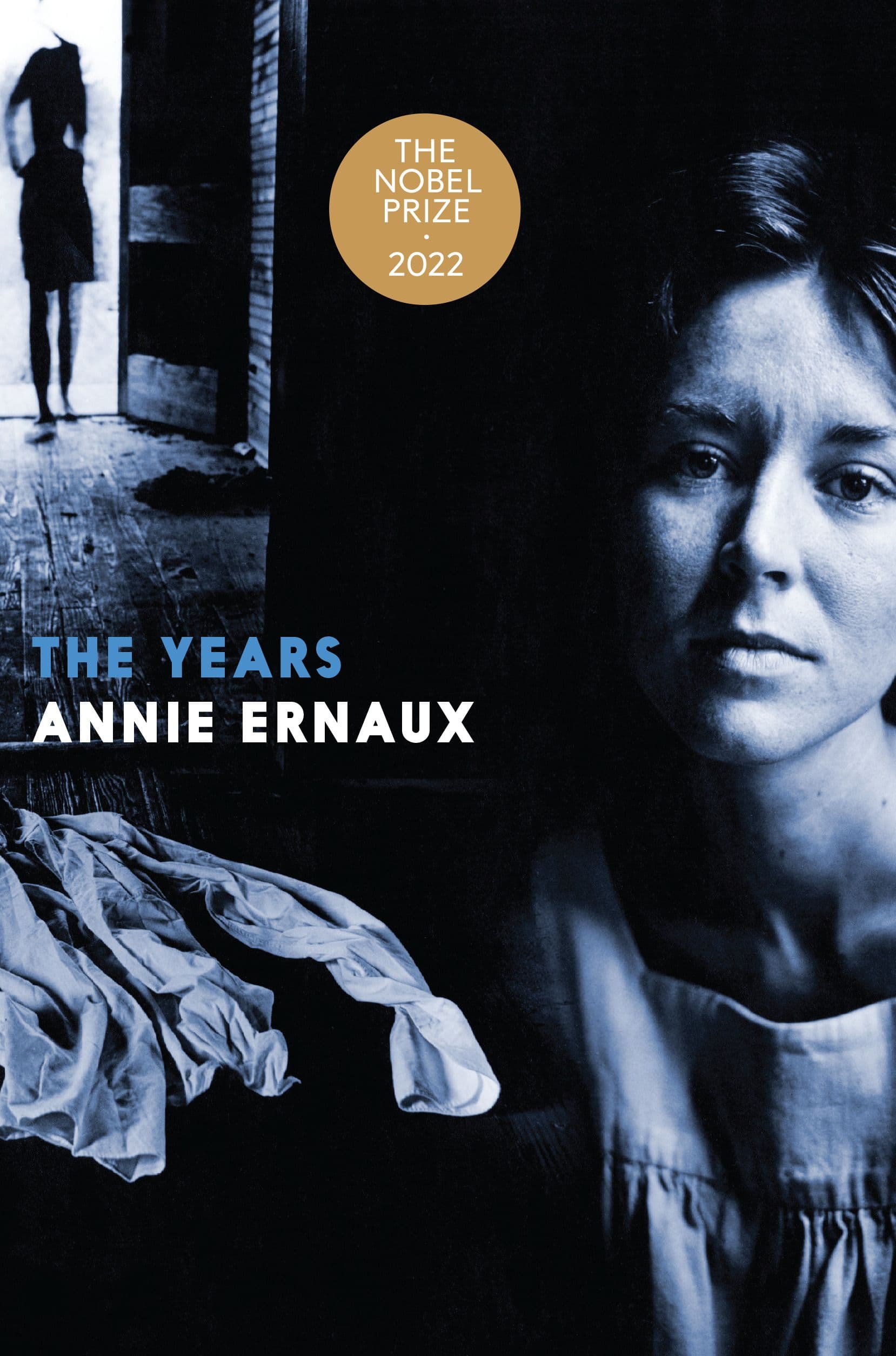
The Years does something almost no book manages: it makes you feel the actual weight of time passing. Not through plot or character arc, but through accumulation — the way a brand name can conjure a whole era, or a photograph can make the distance between now and then suddenly, painfully real. Ernaux's decision to write without "I" is not a stylistic flourish; it's the entire argument of the book. Our lives, she insists, are never fully our own.
This is a book that rewards patience. Readers expecting conventional memoir will need to recalibrate — there is no single narrative thread to follow, no dramatic arc. What there is instead is something rarer: the sensation of time as a material, something you can hold and examine. Critics have placed it alongside the great autobiographical works of the 20th century, and it's easy to see why.
If The Years speaks to you, Ernaux's other work is essential: A Man's Place and A Woman's Story are sharper and more focused, perfect entry points into her singular method. For readers drawn to the intersection of personal and collective history, Outline by Rachel Cusk and Fierce Attachments by Vivian Gornick occupy similar territory — intimate, searching, formally daring. The Years is not an easy read, but it is an unforgettable one.