Our Take
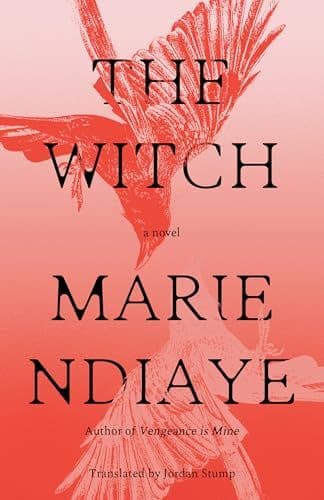
NDiaye is one of the most distinctive voices in contemporary European fiction, and The Witch showcases what makes her so singular: a prose style that is cool and precise on the surface and roiling with unease underneath. The magical elements—crimson tears, inherited powers, daughters who outgrow their origins—are presented with complete matter-of-factness, which makes them land harder than any amount of gothic atmosphere would. This is magical realism at its most disciplined.
The novel's emotional core is the specific grief of a mother watching her children surpass and leave her—amplified here into something almost unbearable by the supernatural stakes. Lucie initiated this. She gave her daughters the tools for their liberation. And now she must contend with what liberation actually looks like when it belongs to someone else. That tension is rendered with extraordinary precision and without easy resolution.
Readers who loved The Bloody Chamber by Angela Carter or Beloved by Toni Morrison will find NDiaye operating in comparably charged territory. Also a powerful pairing with The Vet's Daughter by Barbara Comyns for readers drawn to dark, feminist fables with supernatural edges. Brief, devastating, and not easily forgotten.