Our Take
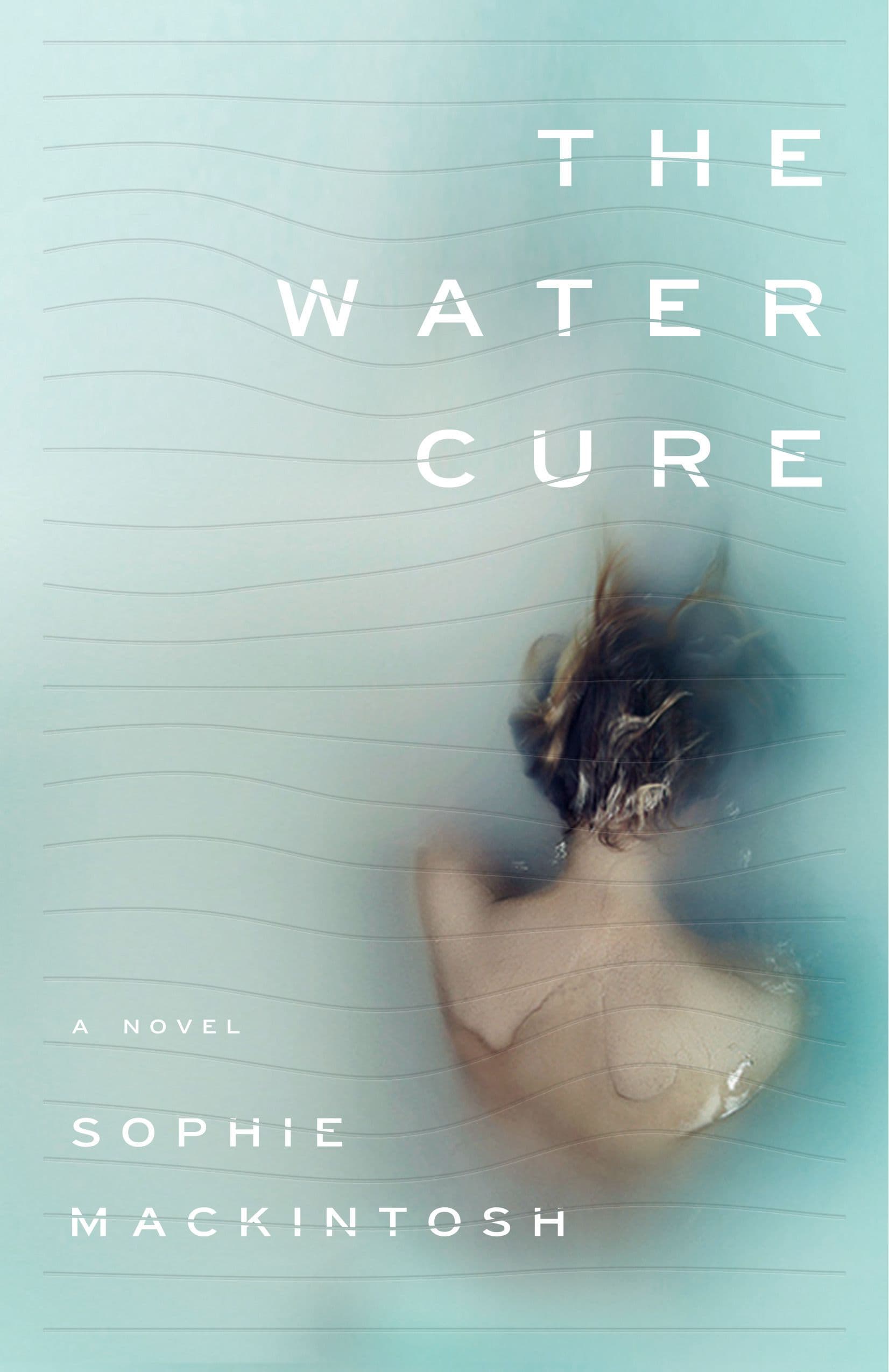
Sophie Mackintosh's debut novel announces the arrival of a remarkable new voice in contemporary fiction, combining the atmospheric dread of The Handmaid's Tale by Margaret Atwood with the psychological complexity of We Have Always Lived in the Castle by Shirley Jackson. The Water Cure succeeds as both dystopian allegory and intimate family drama, using its isolated setting to explore broader questions about patriarchal control, bodily autonomy, and the fine line between protection and imprisonment. Mackintosh's prose is hypnotic and dreamlike, creating an atmosphere that feels both ethereal and deeply unsettling. Her exploration of how trauma and isolation can distort reality feels particularly relevant to contemporary discussions about cult dynamics and family abuse. The novel's ambiguity about what's real and what's delusion adds layers of complexity that reward careful reading and discussion. The three sisters are distinctly characterized despite their shared isolation, each representing different responses to systemic control and manipulation. Perfect for readers who appreciate literary fiction that challenges conventional narrative structures while addressing urgent social issues, and anyone drawn to stories that blur the boundaries between fairy tale, horror, and social commentary. This is essential reading for those interested in how contemporary women writers are reimagining dystopian fiction to explore specifically gendered experiences of oppression and resistance.