
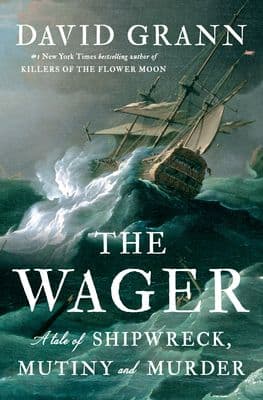
Our Take
Grann has once again demonstrated his mastery of narrative nonfiction, transforming an 18th-century maritime disaster into a compelling exploration of human nature under extreme circumstances. His meticulous research and storytelling ability, evident in Killers of the Flower Moon and The Lost City of Z, reach new heights in this tale of survival and competing truths. Readers who enjoyed In the Heart of the Sea by Nathaniel Philbrick or Endurance by Alfred Lansing will appreciate Grann's ability to make historical maritime disasters feel immediate and relevant to contemporary readers. The book's greatest strength lies in Grann's presentation of multiple perspectives without declaring any single version as definitively true, reflecting the complex reality of how people experience and remember traumatic events differently. His vivid descriptions of the harsh Patagonian environment and the desperate conditions faced by the survivors create genuine tension and emotional investment. The author's background as an investigative journalist serves him well in untangling the conflicting accounts and legal proceedings that followed the survivors' return to England. Grann's prose is both accessible and literary, making complex historical and legal details engaging for general readers while maintaining scholarly rigor. The themes of authority, justice, and truth feel particularly relevant in our current era of competing narratives and questionable leadership. Perfect for readers who enjoy historical adventure stories, fans of maritime disasters and survival tales, and anyone interested in how stories get told and retold across time. The Wager confirms Grann's position as one of our finest practitioners of narrative nonfiction, proving that the best historical writing can make the past feel as urgent and compelling as breaking news.