Our Take
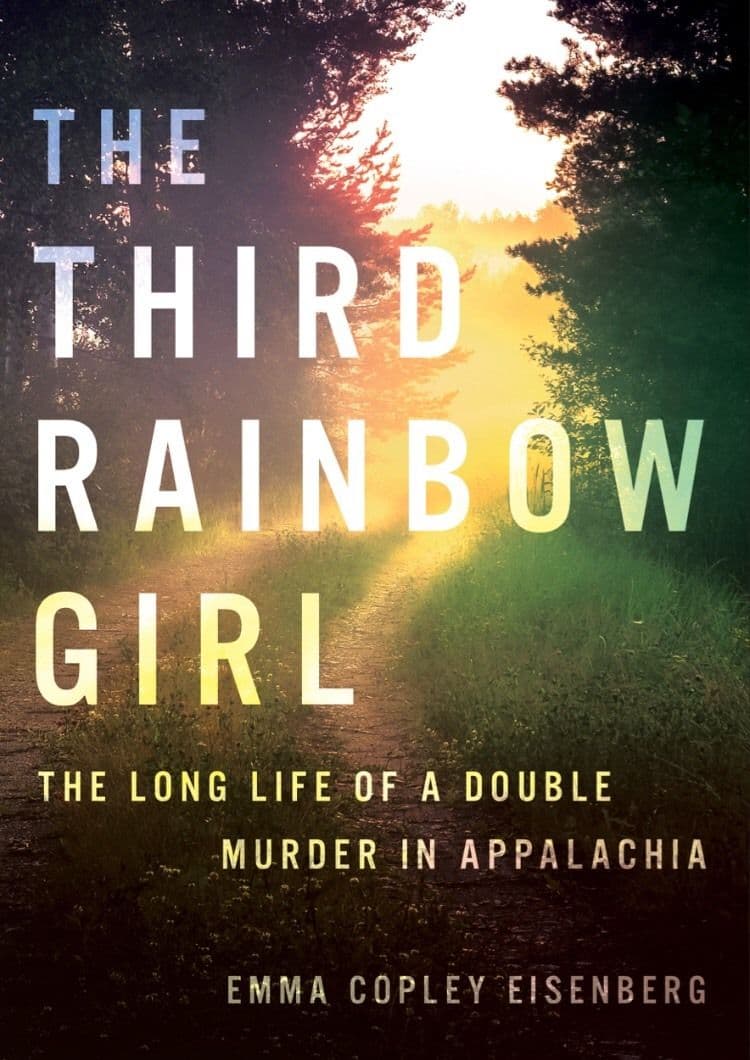
What sets The Third Rainbow Girl apart from typical true crime narratives is Eisenberg's commitment to examining not just the murders themselves, but the cultural and systemic forces that shaped how they were investigated and remembered. Rather than exploiting tragedy for entertainment, she uses the case as a lens to explore broader questions about rural America, media representation, and the failures of the justice system. Her approach echoes the socially conscious true crime work found in I'll Be Gone in the Dark by Michelle McNamara and The Fact of a Body by Alexandria Marzano-Lesnevich, but with a unique focus on place and community. Eisenberg's background as a fiction writer brings a literary sensibility to the investigation, creating prose that is both beautiful and unflinching. She doesn't just report on West Virginia; she lives there, building relationships and understanding the community from within. This immersive approach results in a book that feels both intimately personal and broadly significant. Perfect for readers who appreciate true crime that grapples with larger social issues and want their investigations served with genuine empathy and insight rather than sensationalism.