Our Take
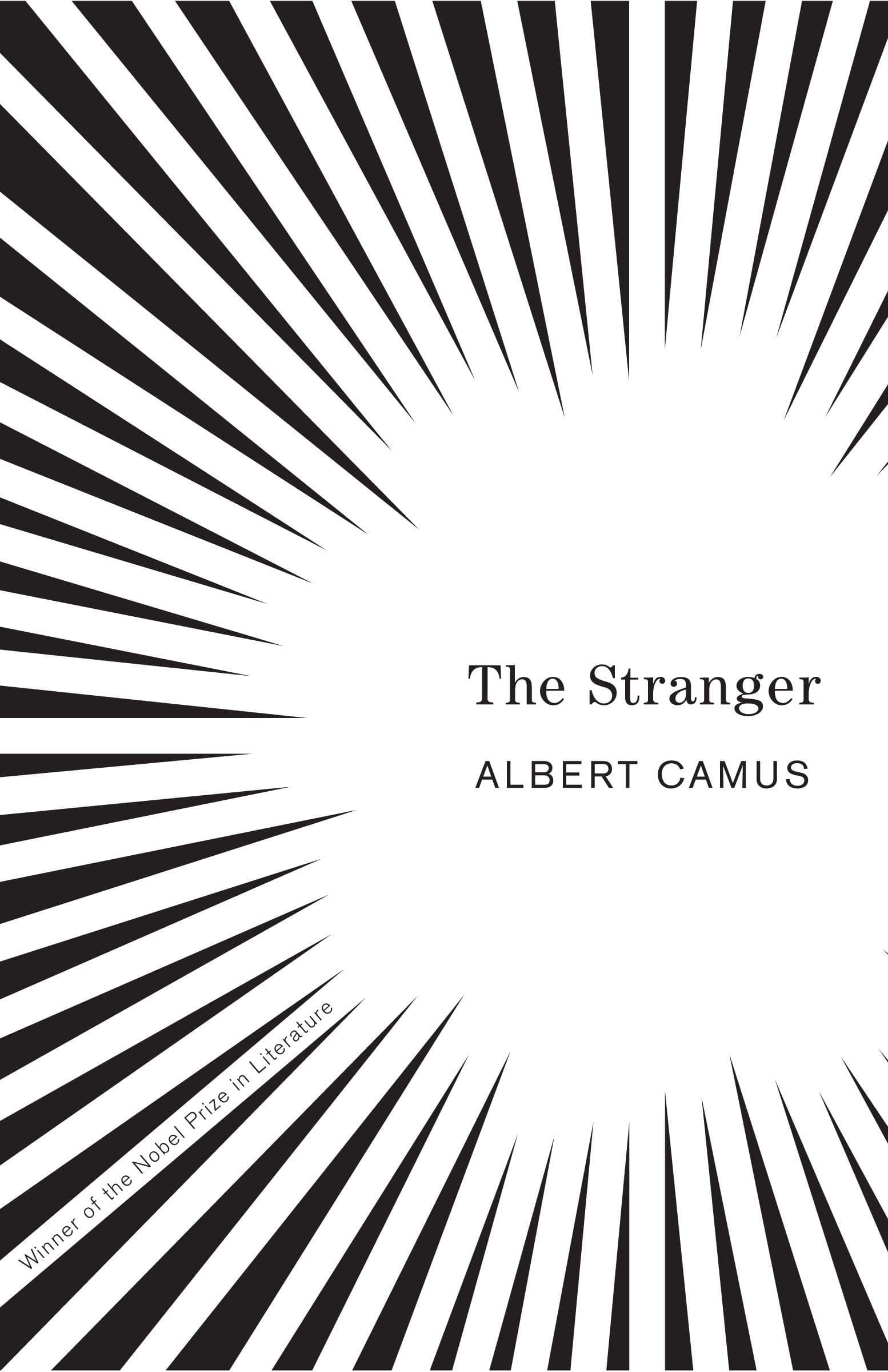
The Stranger achieves the remarkable feat of being simultaneously one of literature's most accessible and most philosophically profound works. Through his stripped-down prose style—declarative, emotionally distant, focused on sensory experience rather than introspection—Camus creates in Meursault the perfect embodiment of his philosophy of absurdism. The novel's genius lies in how it uses a specific crime and punishment to explore universal questions about meaning, authenticity, and society's demand for conformity. What makes Meursault truly threatening to the social order is not just his murder of the Arab (which could be explained away by conventional narratives of passion or self-defense), but his refusal to perform expected emotional responses or to lie about his motivations. The trial sequence reveals that Meursault is being condemned not primarily for his crime but for his failure to play society's game of shared illusions about grief, love, ambition, and religious belief. Beyond its philosophical dimensions, the novel offers a subtle critique of French colonialism through its casual depiction of the dehumanization of Arabs and the racial dynamics of 1940s Algeria. What makes The Stranger enduringly relevant is how it challenges readers to examine their own adherence to social scripts and conventional meaning-making, suggesting that authentic existence requires facing the absurdity of life without resorting to comforting fictions. In Meursault's final acceptance of "the gentle indifference of the world," Camus offers not nihilism but a kind of clear-eyed peace that continues to resonate with readers seeking honesty in a world of manufactured meaning.