Our Take
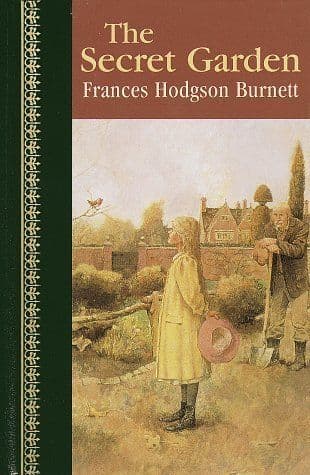
The Secret Garden transcends its classification as children's literature to stand as one of the most psychologically insightful novels about childhood emotional development and healing. Published in 1911, the novel was revolutionary in presenting characters who are explicitly traumatized—Mary by parental neglect and Colin by maternal loss and paternal abandonment—and showing their gradual recovery through connection with nature, physical activity, and authentic human relationships. What makes Burnett's approach remarkable is her refusal to sentimentalize childhood; instead, she presents Mary as genuinely disagreeable and Colin as tyrannical, acknowledging that trauma produces difficult behaviors while still believing in children's capacity for growth. The garden itself functions as a perfect metaphor for the children's emotional lives—neglected but still containing the potential for renewal with proper care and attention. Beyond its psychological depth, the novel presents a nuanced critique of British colonialism and class divisions, showing how privilege can create emotional poverty while suggesting that authentic connections across class lines (like Mary's friendship with Dickon) can be transformative. Burnett's vivid descriptions of the natural world—the changing seasons, the moor landscape, and the garden's rebirth—create a sensory richness that embodies the novel's central theme: that reconnection with the living world is essential for human wholeness. Though some aspects of the novel reflect early 20th-century attitudes about disability and "positive thinking," its core insight—that children require both freedom and meaningful work to thrive—remains as relevant to contemporary child development as it was revolutionary in the Victorian era.