Our Take
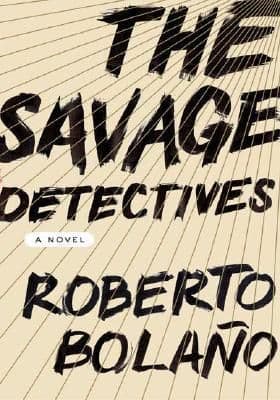
Roberto Bolaño's legendary masterwork is the first great Latin American novel of the twenty-first century—a sprawling, audacious epic that established his reputation as the García Márquez of his generation. Structured in three daring sections, the novel opens with the diary of a seventeen-year-old aspiring poet in Mexico City, explodes into nearly 400 pages of testimonies from dozens of narrators across two decades and four continents, then returns to the desert for a violent, mythic conclusion. What makes The Savage Detectives extraordinary is how Bolaño transforms the two poets into phantoms—we never read their poetry, never fully know them, yet they haunt every page as angels of death whose presence leaves behind illness, lost jobs, and car crashes. The novel operates as both a love letter to poetry and a meditation on the relationship between art and life, youth and disillusionment, literature and violence. Bolaño's prose is hilarious and sexy, meandering and melancholy, full of insider jokes about Latin American literati that you don't need to understand to be swept away by this companionable, complicated road trip. The experimental structure—shifting narrators, fluid time, absence at the center—feels fresh and vital rather than pretentious, a formal innovation that serves the story's deeper truths. For readers drawn to the ambitious scope of Thomas Pynchon's Gravity's Rainbow or the literary playfulness of Italo Calvino's If on a winter's night a traveler, Bolaño offers similar pleasures with a distinctly Latin American sensibility. Winner of the Herralde Prize and Rómulo Gallegos Prize, this National Bestseller is raunchy, exuberant, and unforgettable—a novel about how passionately we experience literature when we're young, and what becomes of that passion as time strips everything away.