Our Take
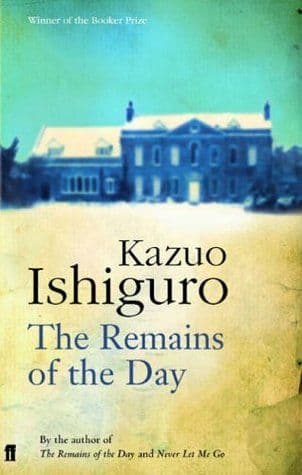
The Remains of the Day stands as Kazuo Ishiguro's masterpiece, earning the Booker Prize and establishing him as one of literature's most subtle and profound voices. The novel's genius lies in Ishiguro's creation of Stevens as an unreliable narrator whose formal, restrained voice gradually reveals depths of emotion and self-deception that he cannot acknowledge directly. This technique of emotional restraint masking profound feeling echoes the narrative sophistication found in Never Let Me Go by Ishiguro himself and The Go-Between by L.P. Hartley, but with unparalleled psychological complexity. Ishiguro's exploration of duty, dignity, and the cost of emotional repression creates a character study that's both specifically English and universally human. The novel's post-war setting allows Ishiguro to examine themes of complicity, moral blindness, and the ways people rationalize their choices when confronted with uncomfortable truths. His prose is deceptively simple, with Stevens' measured, formal tone creating dramatic irony as readers understand what the narrator cannot or will not admit. The book's meditation on aging, regret, and the possibility of redemption resonates across cultures and generations. Essential reading for anyone interested in literary fiction that explores the deepest questions of human experience through masterful character development and narrative technique. This is a novel that reveals new layers of meaning with each reading, cementing its status as a modern classic.