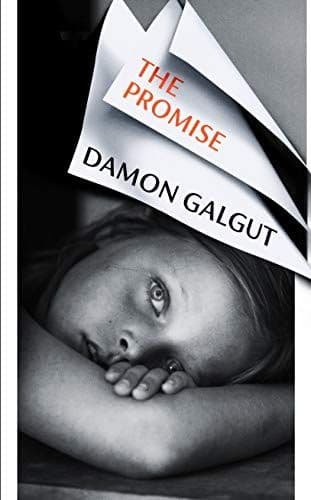
Our Take
Winner of the 2021 Booker Prize, Damon Galgut's masterwork is a stunning achievement in modern literature—a family saga that doubles as an allegory for post-apartheid South Africa's moral reckoning. Galgut employs a bold, experimental narrative style reminiscent of Virginia Woolf and William Faulkner, dispensing with quotation marks and shifting point of view within paragraphs, creating prose that reads as if narrated by a ghost drifting through minds and decades. The writing is both caustic and compassionate, dissecting the pettiness and moral failures of the Swart family (whose name ironically means "black" in Afrikaans) with humor that cuts like a knife. At the heart of this diminished family lies Salome, the domestic worker whose promised inheritance becomes a metaphor for broken promises between white and Black South Africans. What makes this novel extraordinary is how Galgut uses the microcosm of one household to illuminate the macrocosm of an entire nation—from the Emergencies of the 1980s through Jacob Zuma's resignation in 2018, history unfurls with febrile velocity across just 256 pages. For readers who appreciated the moral complexity of J.M. Coetzee's Disgrace or the family dysfunction in Jonathan Franzen's The Corrections, Galgut offers similar depth with a distinctly South African soul. A New York Times Editors' Choice that left critics transformed, The Promise is essential reading—formally innovative, morally serious, and deeply affecting. This is Galgut at his very best, cementing his place among literature's essential voices.