Our Take
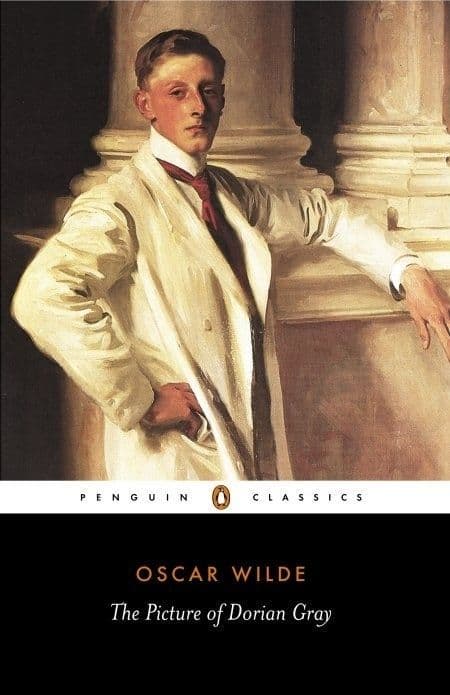
Oscar Wilde's only novel remains a perfect distillation of his genius—combining Gothic suspense, moral allegory, and sparkling wit into a work that both entertains and provokes profound thought. The Picture of Dorian Gray explores tensions that remain urgently relevant: art versus ethics, beauty versus goodness, appearance versus reality. The novel's premise—a magical portrait that ages while its subject remains young—serves as the perfect vehicle for Wilde's examination of aestheticism and the cult of youth and beauty that continues to dominate contemporary culture. What elevates the novel beyond its supernatural premise is Wilde's dazzling prose, particularly in the epigrammatic dialogue of Lord Henry, whose provocative statements ("The only way to get rid of a temptation is to yield to it") challenge conventional Victorian morality. Despite being written in 1890, the novel feels startlingly modern in its psychological insight, its sexual subtext, and its understanding of narcissism and public image. Beneath the decadent surface lies a deeply moral work that ultimately affirms that no one can escape the consequences of their actions—a paradox that embodies Wilde's own complex relationship with the aestheticism he championed.