Our Take
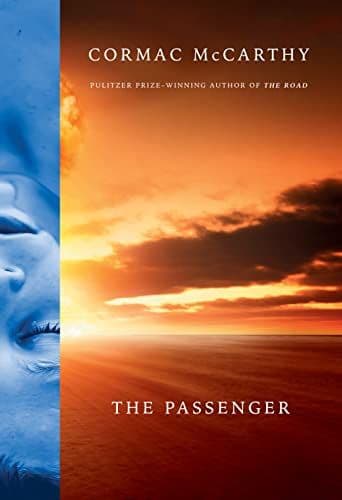
Cormac McCarthy's penultimate novel arrives as a profound meditation on guilt, knowledge, and the burdens we inherit from history. Written alongside its companion novel Stella Maris, The Passenger represents McCarthy venturing into new territory—blending the mystery of a missing passenger with philosophical inquiries into quantum physics, consciousness, and moral responsibility. Bobby Western emerges as one of McCarthy's most complex protagonists: a salvage diver haunted by his physicist father's role in creating the atomic bomb and by his incestuous love for his sister, a mathematical genius who took her own life. The novel's structure interweaves Western's present-day flight from shadowy authorities with memories of his sister and encounters in dive bars where conversations range from the mundane to the metaphysical. McCarthy's prose remains as muscular and uncompromising as ever, though here it serves philosophical contemplation as much as narrative momentum. This is not The Road or No Country for Old Men—it's denser, more cerebral, and deliberately challenging. Readers who appreciate Don DeLillo's Underworld or Thomas Pynchon's explorations of paranoia and science will find much to admire. For McCarthy devotees willing to follow him into deeper, darker intellectual waters, The Passenger is a mesmerizing final statement from one of American literature's greatest voices.