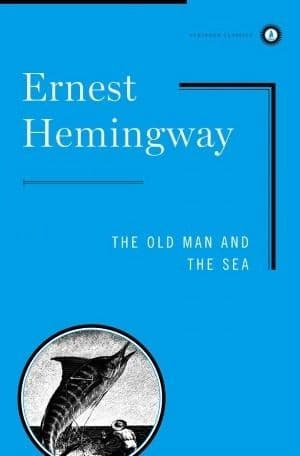
Our Take
The Old Man and the Sea represents Hemingway's career at its most distilled and profound—a work that strips away everything but the essential to create a parable of universal significance. Published late in Hemingway's life after years of critical disappointment, this deceptively simple tale about an old fisherman's struggle with a great marlin won him both the Pulitzer Prize and contributed to his Nobel Prize for Literature. The novella's genius lies in its perfect fusion of visceral physical detail—the feel of the line cutting into Santiago's hands, the taste of raw fish, the colors of the sea—with larger philosophical themes about the nature of human dignity, the relationship between predator and prey, and the struggle for meaning in the face of inevitable loss. Santiago embodies Hemingway's ideal of grace under pressure—displaying courage, endurance, and respect for his worthy opponent even as defeat becomes inevitable. What makes the work so moving is how it affirms value in striving for excellence regardless of outcome, suggesting that victory lies not in material success but in the manner of one's struggle. The relationship between Santiago and the boy Manolin adds crucial emotional depth, suggesting the intergenerational transmission of values and the human need for connection. Through his famously spare prose style, with its declarative sentences and absence of flourish, Hemingway created a modern fable that resonates across cultures and generations, speaking to the universal human experience of confronting one's limitations while maintaining dignity and purpose.