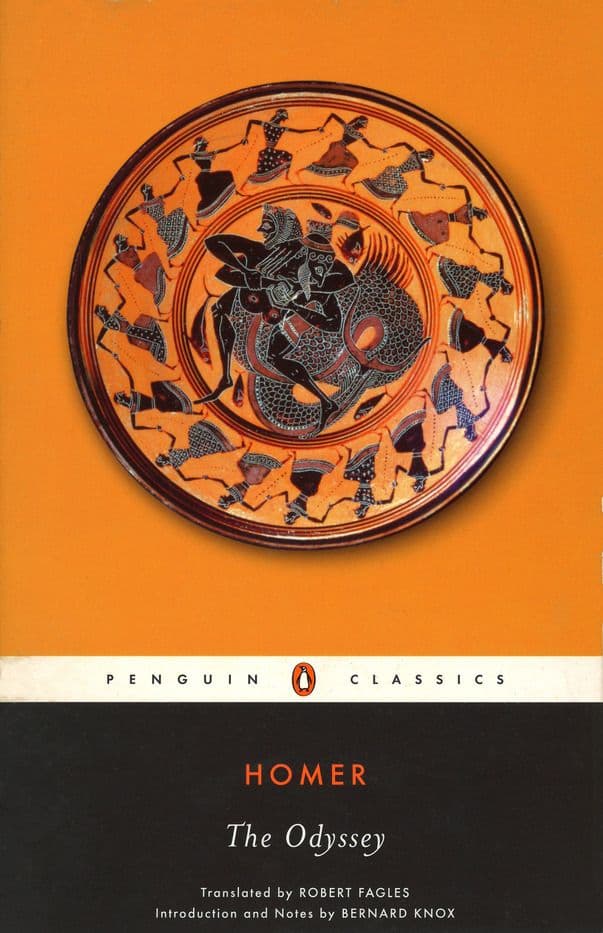
Our Take
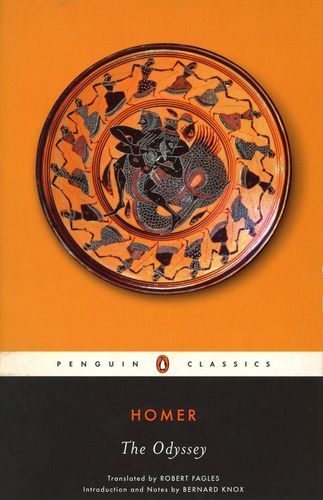
The Odyssey stands as perhaps the most influential narrative in Western literature—a work that established storytelling templates still recognizable in countless books, films, and television series nearly three millennia later. What makes Homer's epic continually relevant is how it balances fantastical adventures with profoundly human concerns: the longing for home, the complexity of family relationships, the tension between individual desire and social obligation. Unlike the battlefield heroics of The Iliad, The Odyssey celebrates a different kind of heroism based on cunning, adaptability, and perseverance. Odysseus—"the man of many turns"—emerges as literature's first complex protagonist, whose flaws and strengths are equally essential to his character. The poem's narrative sophistication is remarkable for its time, employing flashbacks, parallel plotlines, and a non-linear structure that feels strikingly modern. Through its vivid episodes—from the Cyclops's cave to the Land of the Dead to the final contest of the bow—The Odyssey created an imaginative vocabulary that continues to shape how we understand the archetypal journey of departure, transformation, and return that defines not just epic quests, but human life itself.