Our Take
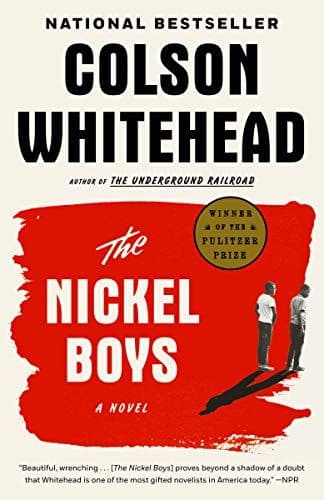
Whitehead has created another masterpiece that demonstrates his unparalleled ability to transform historical trauma into literature of the highest order. His Pulitzer Prize-winning follow-up to The Underground Railroad proves that his talents for combining rigorous historical research with innovative storytelling continue to evolve and deepen. Readers who appreciated Beloved by Toni Morrison or The Known World by Edward P. Jones will recognize Whitehead's skill at illuminating systemic injustice through deeply personal stories that honor both individual suffering and collective resilience. The novel's power lies in its refusal to sensationalize violence while still conveying the full horror of institutional abuse, instead focusing on the psychological and moral dimensions of survival under impossible circumstances. Elwood and Turner represent different responses to trauma and oppression, with neither approach presented as entirely right or wrong, reflecting Whitehead's sophisticated understanding of how people cope with systematic dehumanization. His prose is both elegant and accessible, making complex themes about justice, morality, and institutional racism comprehensible without oversimplification. The book's structure, which moves between past and present, gradually reveals information in ways that mirror how trauma affects memory and identity. While the subject matter is undeniably difficult, Whitehead's literary skill ensures that the novel serves a purpose beyond documentation, using art to process and understand historical injustice. Perfect for readers who appreciate literary fiction that grapples with American history, anyone interested in civil rights era literature, and those seeking books that combine social consciousness with exceptional storytelling. The Nickel Boys stands as essential reading that expands our understanding of institutional racism while honoring the experiences of those who suffered and survived.