Our Take
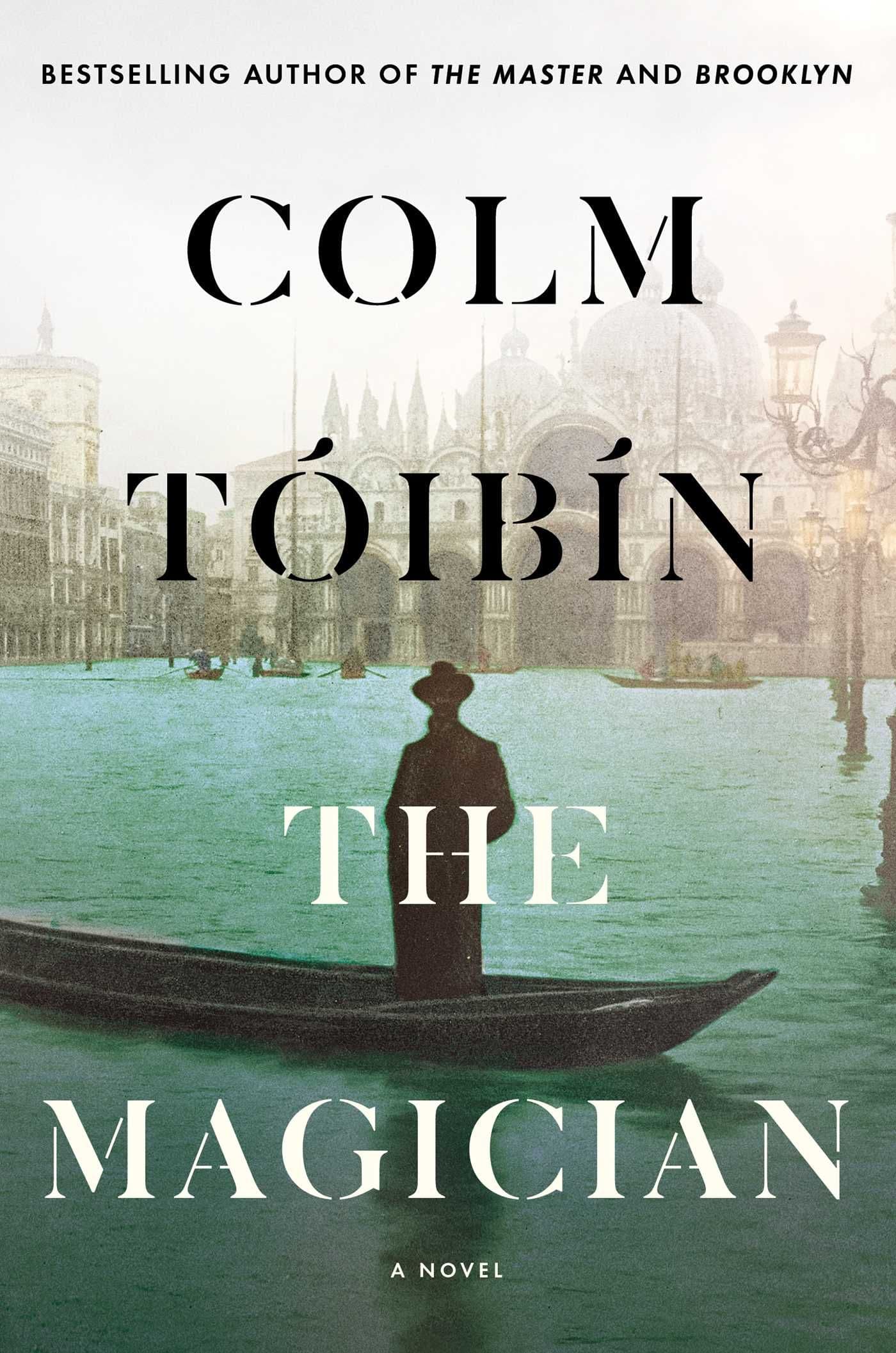
The Magician is Colm Tóibín at the height of his powers—a masterful biographical novel that captures both the public grandeur and private torment of Thomas Mann. Tóibín, himself a gay Irish writer deeply attuned to the costs of concealment, brings extraordinary empathy to Mann's lifelong struggle between artistic ambition, familial duty, and suppressed desire. What makes this novel remarkable is how Tóibín resists hagiography, presenting Mann as brilliant yet often cold, politically astute yet sometimes cowardly, devoted to his family yet emotionally distant. The portrait of Katia is equally nuanced—a woman of fierce intelligence who understood her husband's sexuality yet built a life with him anyway. The novel spans decades and continents without ever losing narrative momentum, moving gracefully between intimate family moments and world-historical events. Tóibín's prose is characteristically restrained and elegant, allowing the emotional complexity to emerge through accumulation rather than dramatic revelation. The sections on exile are particularly powerful, capturing the disorientation of displacement and the community of refugees who found themselves in wartime America. Readers who loved The Master by Tóibín or The Hours by Michael Cunningham will appreciate his approach to biographical fiction. The Magician is essential reading for anyone interested in twentieth-century literature, the psychology of creativity, or the human cost of living a divided life.