Our Take
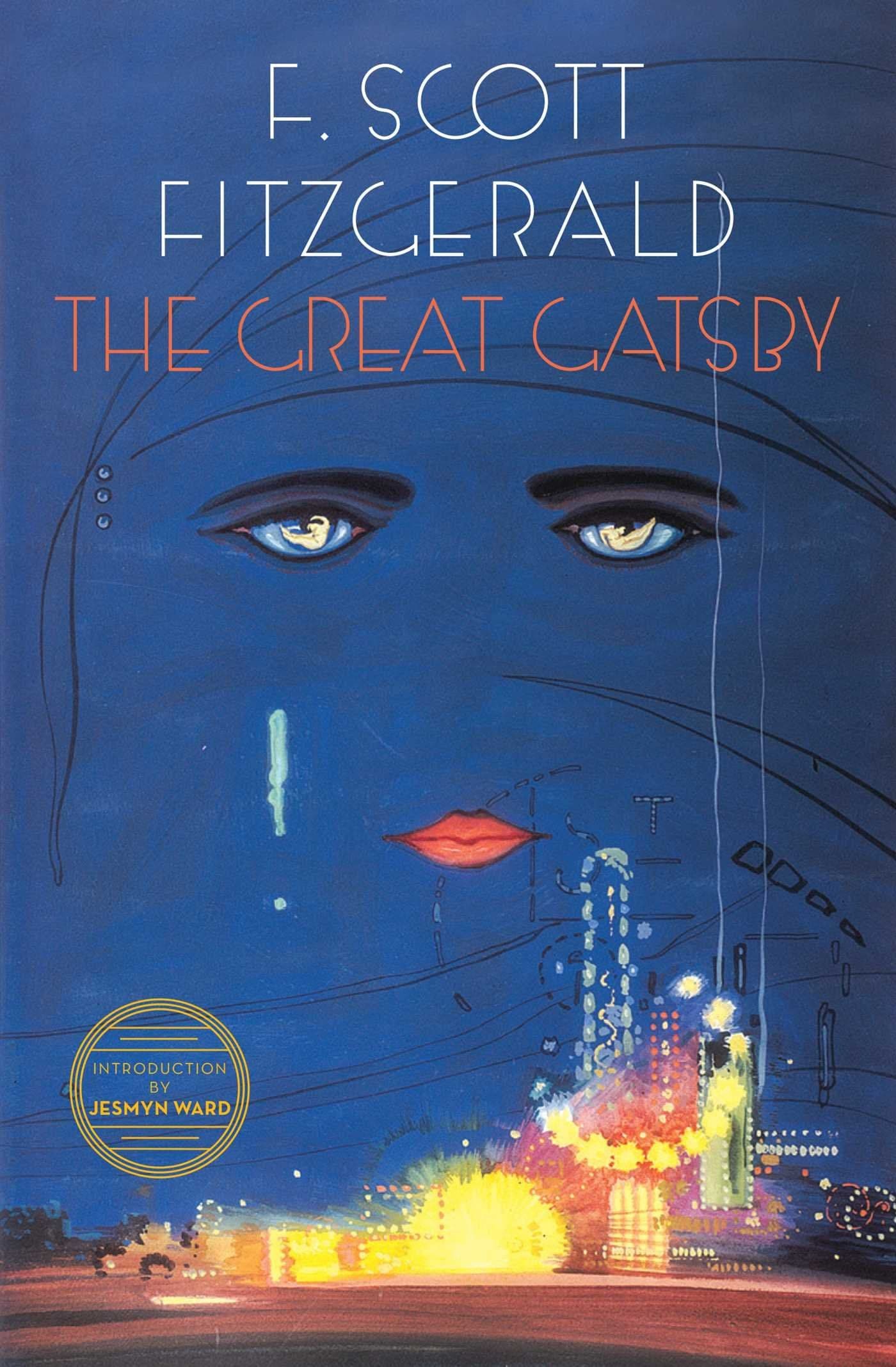
The Great Gatsby achieves the remarkable feat of being both an accessible story and a work of extraordinary literary craftsmanship. Fitzgerald's prose is simply sublime—economical yet lush, precise yet evocative, creating a dreamlike quality that perfectly captures the novel's themes of illusion and disillusionment. The novel's enduring power lies in its perfect distillation of the American Dream's promise and perversion: Gatsby's reinvention of himself in pursuit of love and status reflects the nation's own mythology, while his downfall exposes the moral emptiness at the heart of materialistic ambition. Despite its brevity, the novel creates a complete world, populated by characters who embody different aspects of 1920s America—old money, new wealth, working class aspiration, and those caught between these forces. What makes The Great Gatsby truly exceptional is how it transcends its specific setting to become a timeless meditation on longing, loss, and the persistent hope that drives us toward an ever-receding future.