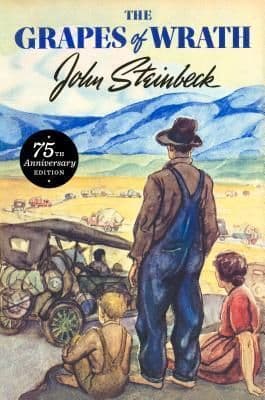
Our Take
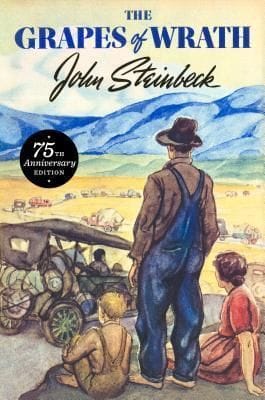
The Grapes of Wrath stands as the definitive literary response to the Great Depression and remains one of America's most powerful examinations of economic injustice. Steinbeck's genius lies in his ability to balance intimate human drama with sweeping social commentary through an innovative structure that alternates between the Joads' specific journey and panoramic "intercalary" chapters that capture the broader historical moment. The novel's enduring power comes from its unflinching portrayal of how economic systems can strip people of their dignity while simultaneously celebrating the resilience of the human spirit in the face of dehumanizing conditions. Ma Joad emerges as one of literature's most memorable characters—the moral center who holds the family together through sheer determination and whose famous declaration, "We're the people that live. They ain't gonna wipe us out," encapsulates the novel's defiant humanism. Despite being written over 80 years ago, the book's themes remain startlingly relevant: the displacement of families by economic forces, the exploitation of migrant workers, the environmental consequences of unsustainable agriculture, and the tension between individualism and collective welfare. What makes The Grapes of Wrath transcend mere protest literature is Steinbeck's profound compassion for his characters and his faith in human connection as the ultimate source of meaning and survival in an often brutal world.