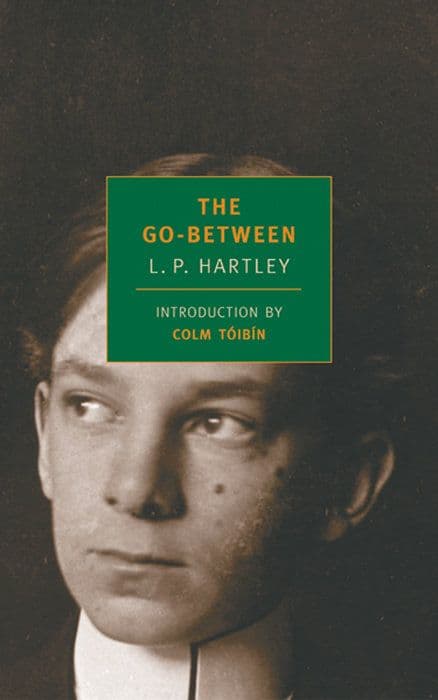
Our Take
The Go-Between is a devastating masterpiece that captures the moment innocence is irrevocably lost. Hartley's prose is exquisite—elegant, restrained, and capable of conveying profound emotional complexity through the perspective of a child who doesn't fully understand what he's witnessing. The dual narrative structure, with the elderly Leo looking back on that fateful summer, adds layers of poignancy and regret that make the tragedy feel inevitable yet no less heartbreaking. What makes this novel extraordinary is how Hartley uses Leo's naïveté to expose the hypocrisies and cruelties of Edwardian class structures. The boy sees everything yet understands nothing, making him the perfect witness to a world where desire and propriety are locked in fatal conflict. The summer heat becomes oppressive, mirroring the building tension, and when the inevitable revelation comes, it's shattering for both Leo and the reader. Hartley never sentimentalizes or sensationalizes—the tragedy unfolds with quiet, terrible inevitability. The 1971 film adaptation with Julie Christie and Alan Bates is equally haunting. Readers who appreciated Atonement by Ian McEwan or The Remains of the Day by Kazuo Ishiguro will recognize similar themes of repression, memory, and irrevocable choices. The Go-Between remains essential reading—a perfect novel about the collision between childhood innocence and adult corruption.