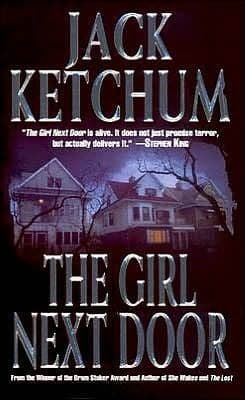
Our Take
Jack Ketchum's The Girl Next Door is not an easy read—it's a brutal, unflinching examination of human cruelty that will stay with you long after you've finished. Based on the horrific true story of Sylvia Likens, Ketchum has created what many consider his masterpiece: a novel that forces readers to confront how easily ordinary people can become monsters when social dynamics, authority, and mob mentality converge. What makes the book so deeply disturbing is not supernatural horror but the realism—the way Ketchum shows how a neighborhood of seemingly normal people can collectively participate in or ignore unspeakable acts. The novel is narrated retrospectively by the boy who witnessed the abuse, adding layers of guilt, memory, and moral reckoning to an already devastating story. Ketchum writes with restraint where others might sensationalize, making the horror more affecting precisely because it feels authentic. This is not horror for entertainment but horror as moral inquiry: How do we become complicit in evil? What does it take to stand up when everyone around you is complicit? The book has earned its reputation as one of the most disturbing works in horror literature, but it's important to note that it's disturbing with purpose—exploring real questions about human nature, child abuse, and societal failure. Readers should be aware this is extremely dark and deals with child abuse explicitly. For those who can handle difficult subject matter and seek horror that challenges rather than merely entertains, The Girl Next Door is a powerful, devastating work that demonstrates horror's capacity for serious moral exploration.