Our Take
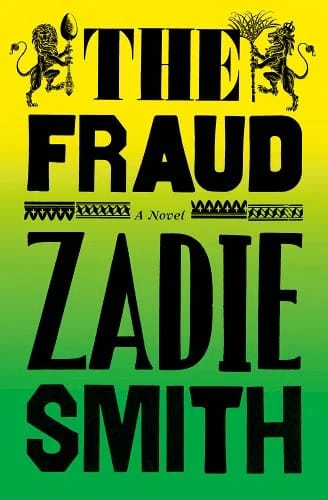
Zadie Smith's first historical novel is a magnificent achievement that demonstrates her range beyond the contemporary London settings of White Teeth and NW. The Fraud uses the real-life Tichborne Trial as a lens through which to examine questions of authenticity, identity, and power that resonate powerfully today. Smith brings Victorian England to vivid life while drawing sharp connections between colonial exploitation, class hierarchies, and the stories societies tell themselves. Her dual protagonists—the acerbic Mrs. Touchet and the dignified Andrew Bogle—offer contrasting yet complementary perspectives on Victorian hypocrisy, with Bogle's experiences of slavery providing devastating counterpoint to England's self-image as a civilized nation. Smith's prose is characteristically brilliant, capturing period detail without pastiche, and her exploration of who gets believed and why feels urgently contemporary. The novel raises profound questions about narrative authority and historical truth that linger long after the final page. Readers who loved the historical sweep of The Underground Railroad by Colson Whitehead or the literary sophistication of Wolf Hall by Hilary Mantel will find The Fraud equally compelling. This is Smith at her most ambitious, proving she can master any form while maintaining the intelligence and social insight that define her work.