Our Take
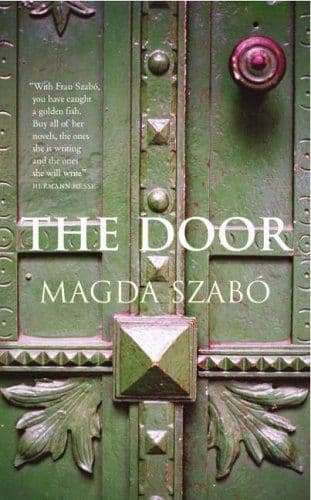
Magda Szabó, one of Hungary's most celebrated writers, created a masterpiece with The Door, a novel that explores the impossibility of truly knowing another person and the ways class and pride create unbridgeable distances even in the most intimate relationships. Published in 1987 but only translated into English in 2005, the novel has since gained recognition as a modern classic. The relationship between the unnamed narrator and her housekeeper Emerence is one of literature's most complex portraits of female friendship—built on mutual respect and genuine affection yet poisoned by fundamental inequalities and misunderstandings. Szabó writes with psychological precision about how the narrator's intellectual pride clashes with Emerence's fierce independence, how patronage masquerades as love, and how good intentions can lead to irreversible betrayal. The novel's devastating climax hinges on a single decision that reveals the limits of the narrator's compassion and the tragic consequences of violating someone's dignity. What makes the book so powerful is Szabó's refusal to sentimentalize either woman or their bond—both are flawed, proud, and capable of cruelty. The Hungarian setting adds layers of historical trauma, as Emerence's mysterious past connects to the horrors of World War II and the Communist era. The prose, beautifully translated by Len Rix, is spare and elegant, building inexorably toward a conclusion that feels both inevitable and shocking. Readers who appreciated Elena Ferrante's Neapolitan novels or Rachel Cusk's Outline trilogy will recognize Szabó's unflinching examination of female relationships. For anyone seeking literary fiction that explores class, loyalty, and the terrible price of pride, The Door is an essential, devastating work that will haunt you long after the final page.