Our Take
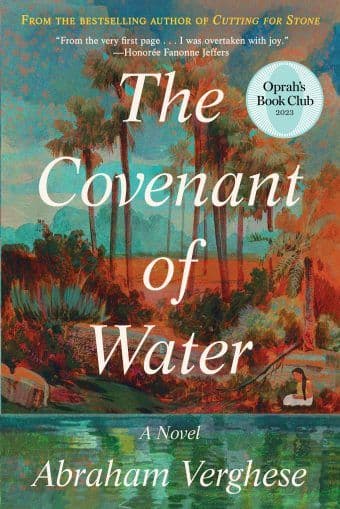
Abraham Verghese returns after more than a decade with an epic that rivals and perhaps surpasses his beloved Cutting for Stone. The Covenant of Water is ambitious in scope yet intimate in execution, balancing sweeping historical change with the particular textures of individual lives. Verghese's background as a physician infuses the narrative with precise medical detail and deep empathy for human suffering and resilience. His prose is lush without being ornate, capturing the sensory richness of Kerala—its monsoons, its cuisine, its layered social fabric—while maintaining narrative momentum across nearly eight decades. The novel explores themes of inherited trauma, scientific progress, and the ways families carry both curses and blessings forward through generations. Big Ammachi emerges as one of contemporary fiction's most memorable matriarchs, her strength and wisdom anchoring a story that encompasses colonial India, independence, and modernity's arrival in a traditional community. Readers who loved the multigenerational sweep of One Hundred Years of Solitude by Gabriel García Márquez or the medical storytelling in The Ministry of Utmost Happiness by Arundhati Roy will be captivated. This is the rare literary novel that satisfies on every level—as family saga, as historical chronicle, and as meditation on what it means to inherit both the wounds and wisdom of those who came before us.