Our Take
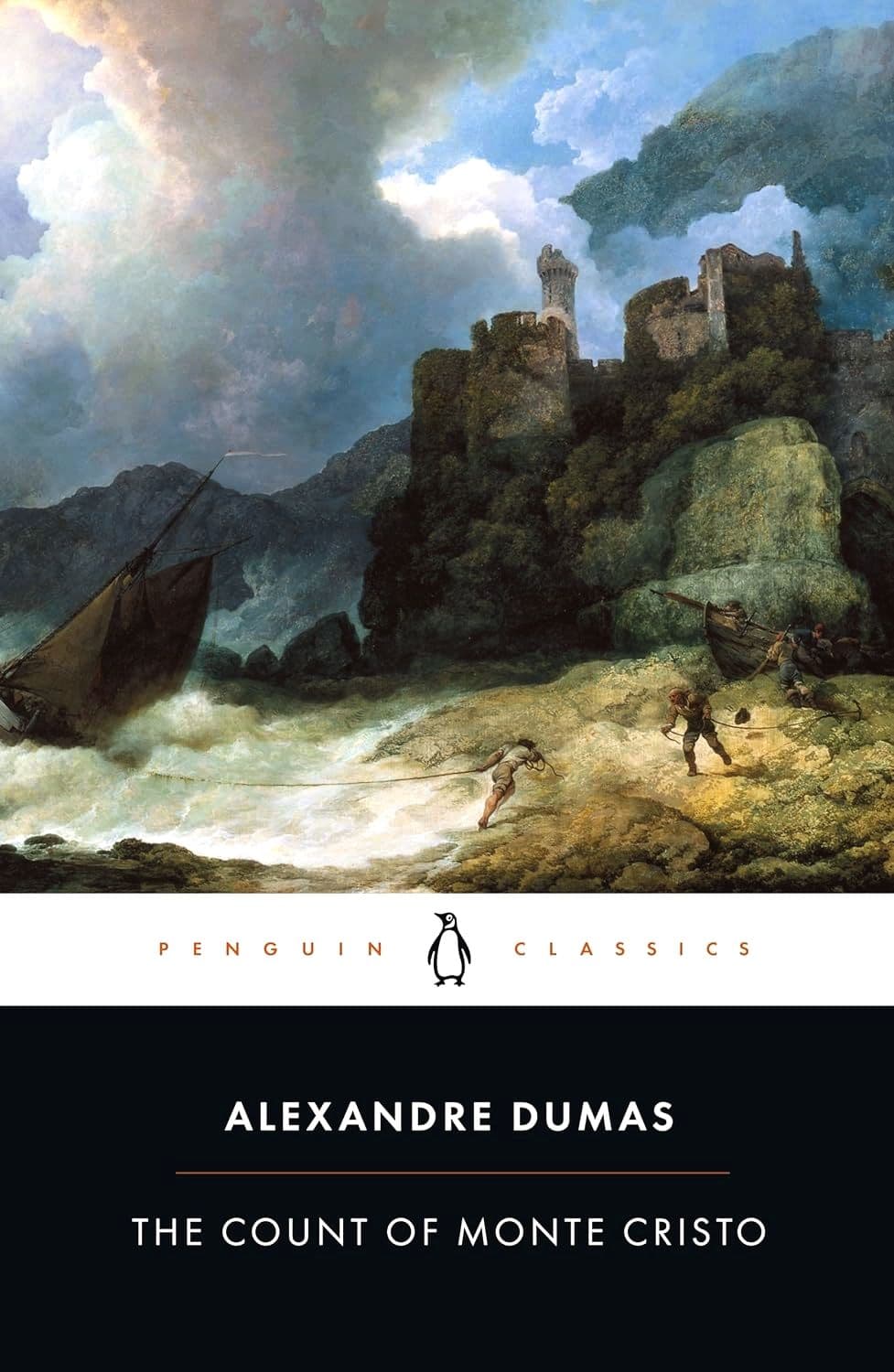
The Count of Monte Cristo represents the pinnacle of the revenge narrative in Western literature—a gripping adventure tale that simultaneously functions as a sophisticated moral examination of justice, forgiveness, and human transformation. Dumas' genius lies in how he balances the novel's undeniable pleasures as a rip-roaring adventure story with profound psychological and ethical complexity. The Count's elaborately planned vengeance initially satisfies our innate desire for justice in an unjust world, but as the consequences of his actions ripple outward to affect innocent bystanders, both the Count and the reader must confront uncomfortable questions about the moral cost of revenge. What makes the novel enduringly compelling is Dantès' evolution from an innocent young sailor to the calculating Monte Cristo and finally to a man who must rediscover his humanity—a journey that serves as a remarkable study in how trauma and power can reshape identity. Beyond its psychological depth, the novel offers a panoramic view of post-Napoleonic French society, from the criminal underworld to the highest aristocratic circles, creating a rich social tapestry against which the drama unfolds. Dumas' masterful plotting—managing dozens of characters and subplots that converge with perfect precision—established standards for narrative craftsmanship that continue to influence storytellers across all media. Though written in the 1840s as a serial novel, its themes of justice delayed, identity transformation, and the potential emptiness of revenge achieved continue to resonate powerfully with contemporary readers.