Our Take
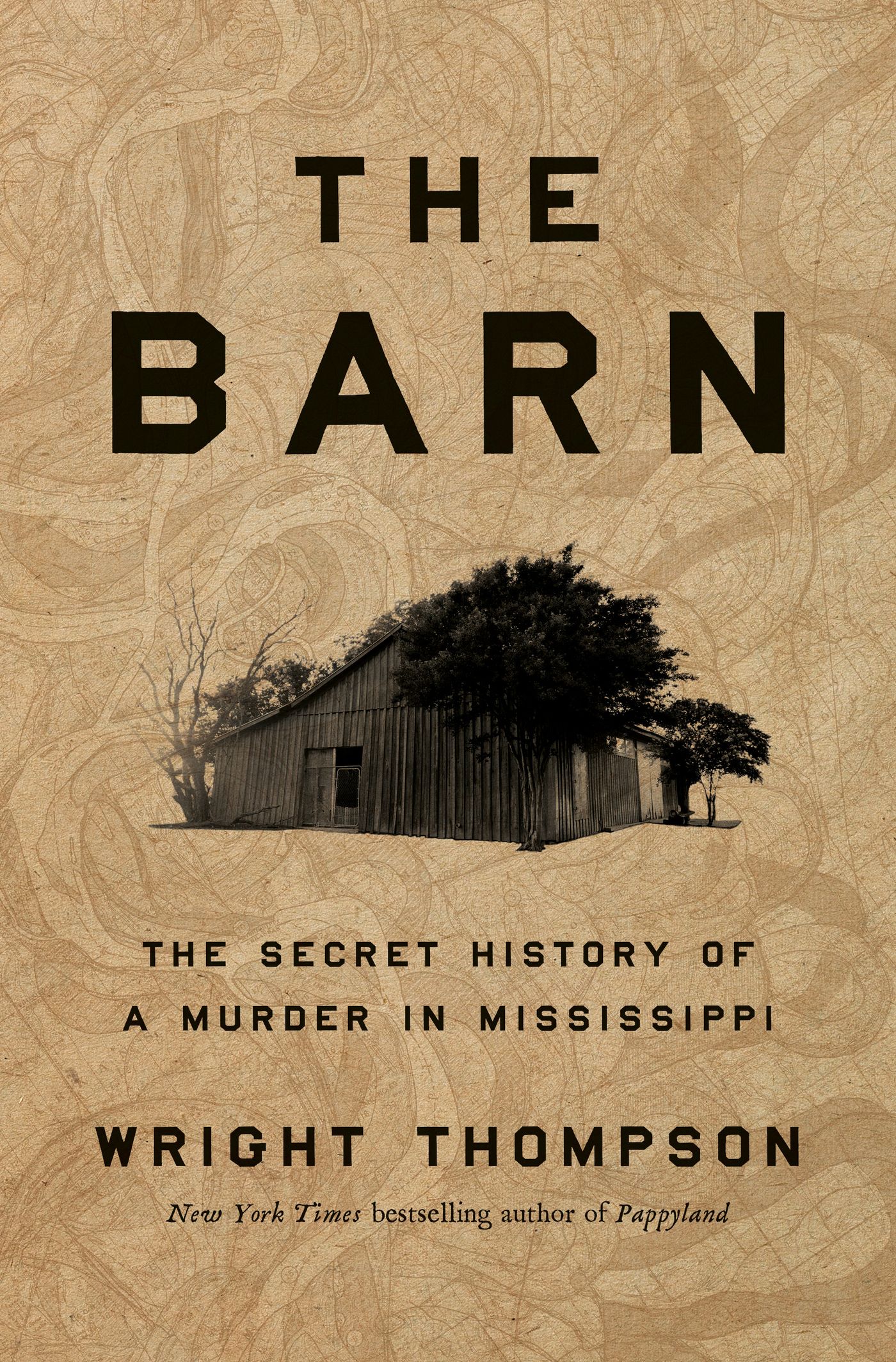
Wright Thompson approaches this story less like a true crime writer chasing a twist and more like an investigative historian excavating a wound that never properly healed. What makes The Barn distinct from typical true crime fare is its structural ambition, it treats a building as a character and a witness, using the physical barn as an anchor for a much larger meditation on Delta land ownership, Jim Crow economics, and generational silence. Readers who admired the layered social history in Caste by Isabel Wilkerson or the immersive investigative approach of The Devil in the White City will recognize the same instinct to widen the lens far beyond a single crime. It also shares DNA with Just Mercy in its insistence that justice and history are inseparable. Thompson's prose is unhurried and deeply reported, sometimes to a fault if you're expecting a brisk narrative, but the payoff is a portrait of place that feels genuinely new even to readers who think they know the Till case cold. This isn't a whodunit. It's a why, and a how did we get here, and Thompson earns the weight he's asking you to carry.