Our Take
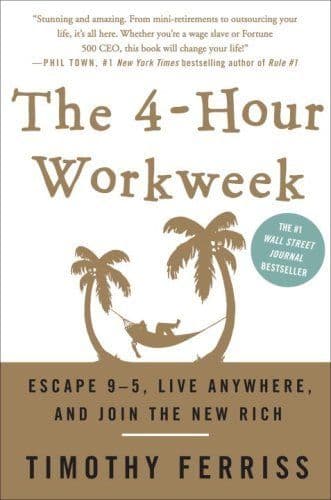
Tim Ferriss's The 4-Hour Workweek became a cultural phenomenon when it was published in 2007, spawning an entire movement of digital nomads, lifestyle entrepreneurs, and people questioning the traditional career path. Whether you embrace or reject Ferriss's philosophy, there's no denying the book's impact on how we think about work, productivity, and life design. The core premise—that you can drastically reduce working hours while maintaining or increasing income through automation, outsourcing, and ruthless prioritization—challenges deeply held beliefs about the relationship between effort and success. Ferriss introduces concepts like the 80/20 principle applied to productivity, the importance of distinguishing between being busy and being effective, and the idea that retirement planning is fundamentally flawed when you could take mini-retirements throughout life instead. The book is packed with specific, actionable tactics: from outsourcing tasks to virtual assistants in developing countries to negotiating remote work arrangements to creating automated online businesses. Some strategies have aged better than others—the geoarbitrage and outsourcing advice feels more problematic now than in 2007—but the fundamental questions Ferriss raises remain relevant: What would you do if money weren't an object? Why defer living until retirement? How much of your work is actually necessary? The writing is energetic and persuasive, though Ferriss's bro-ish confidence can grate. For readers seeking permission to question conventional career paths and practical strategies for escaping the office, The 4-Hour Workweek remains influential. Just approach it as a starting point for rethinking work rather than a literal blueprint—most people won't actually work four hours per week, but asking whether your current forty-plus hours are necessary is still a valuable exercise.